
hoch3 Visual Story
Campus Lichtwiese
Space for
the Future
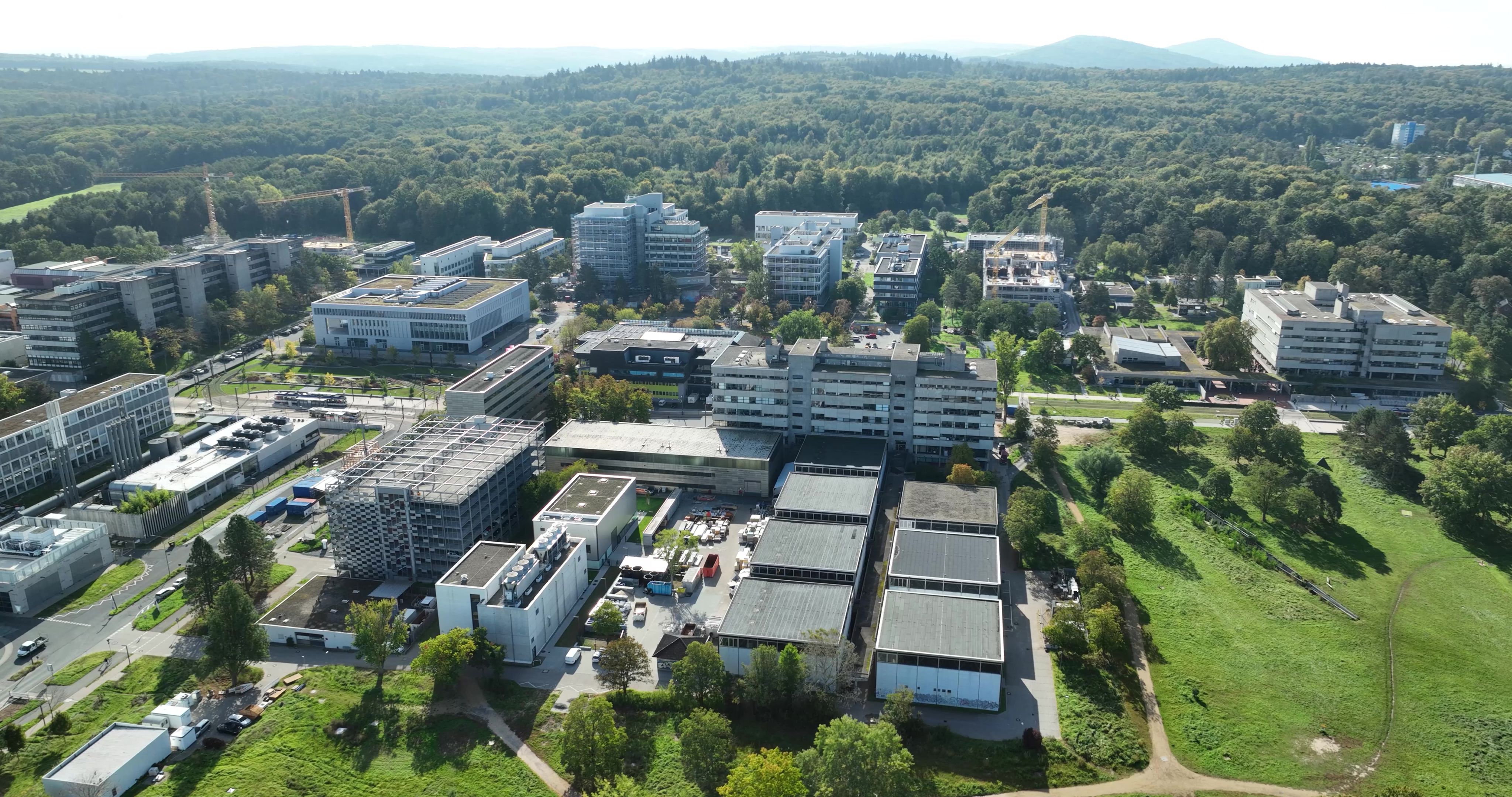

The Lichtwiese Campus is synonymous with tremendous innovative dynamism, cutting-edge research, and forward-looking answers to global challenges.
It is a space for experimentation, an excellent base for university research in the fields of energy and environment, matter and materials, and information and intelligence, and a premier location for science, business, and society. There has been a lot going on on campus again recently. Come along on a tour of discovery.
There has been a lot happening on campus again recently. Come along on a tour of discovery.
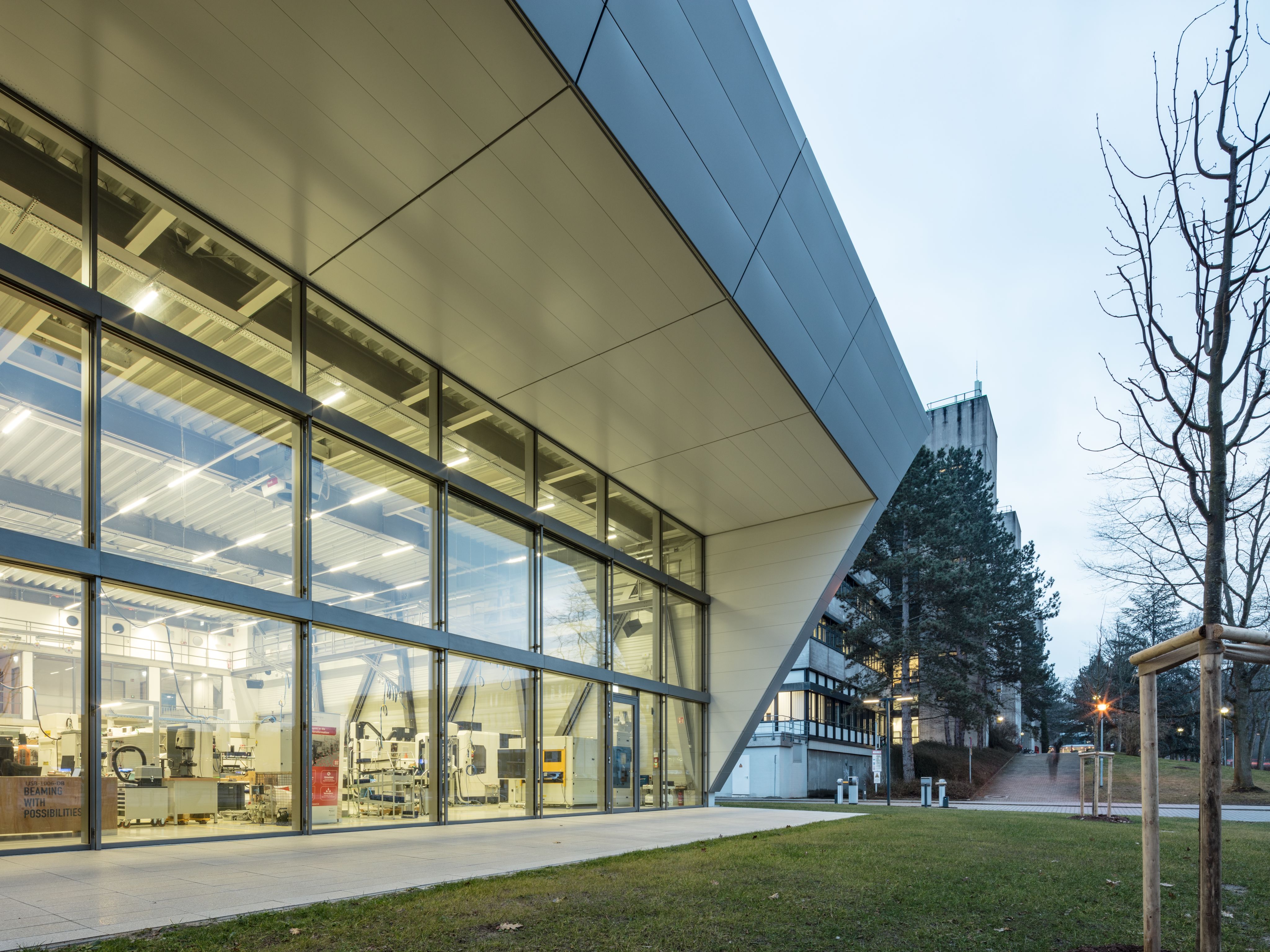
The view from the outside: impressive architecture. The impression inside: state-of-the-art equipment, best conditions for research and laboratory experiments, for teaching and studying. Several new buildings have been constructed on the Lichtwiese Campus.
We will show you what happens there every day on a tour.

Metals as energy
storage devices
Metal Energy Hub

How can renewable energies be stored safely and in a climate-neutral manner over long periods of time?
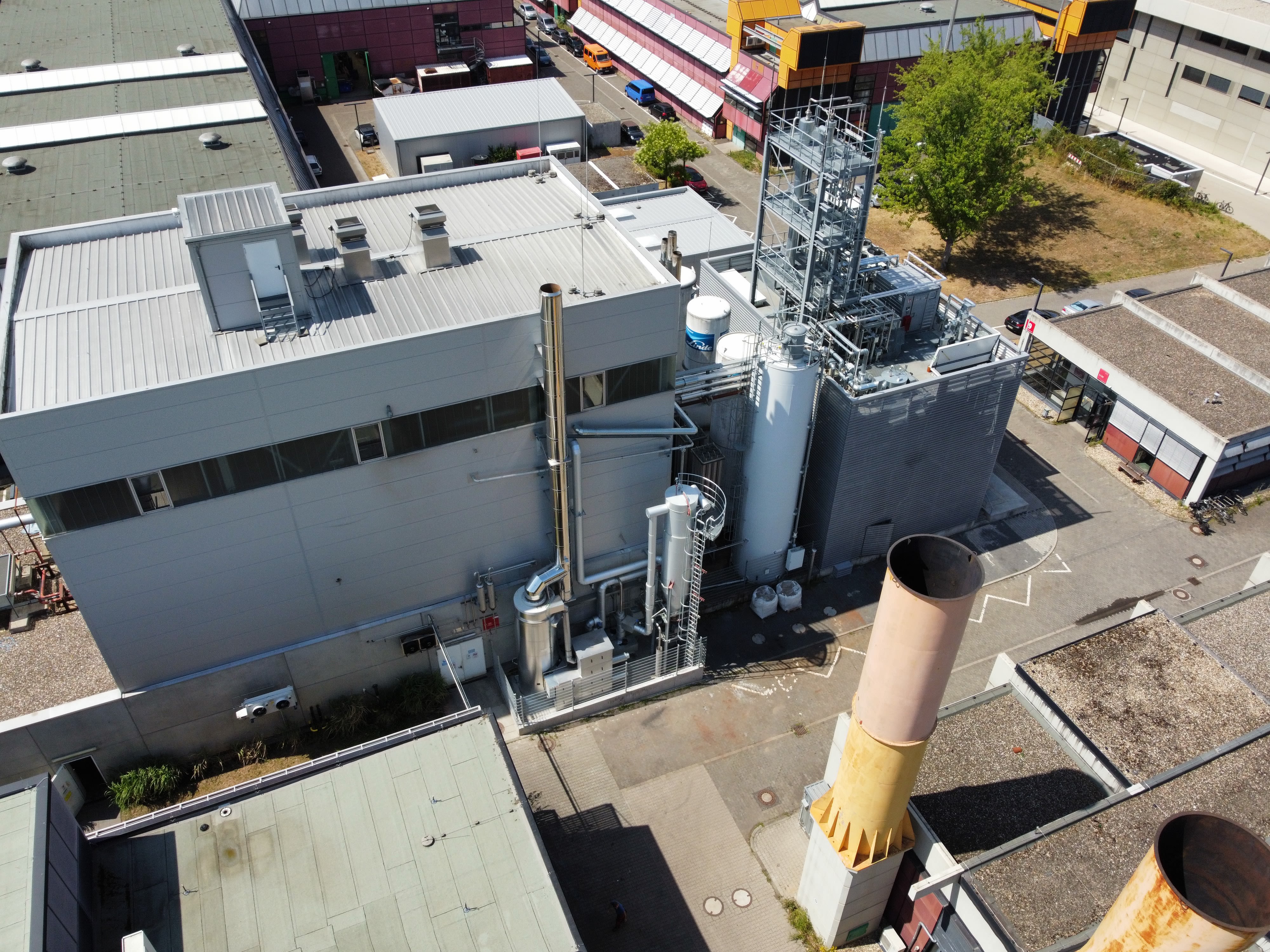
Researchers at the new Metal Energy Hub are addressing this and other important questions for the future. Here, metal-based energy storage systems are being developed as an innovative solution to the so-called long-term storage problem in Germany.
This is an extremely challenging task because renewable energy sources require massive storage capacities and existing solutions such as batteries and pumped storage are not sufficient for seasonal storage over longer periods of time. The researchers at TU Darmstadt are therefore focusing on metals as chemical energy carriers.
The new pilot plant enables the combustion of several hundred kilograms of iron powder per hour to achieve an energy release of one megawatt and thus the so-called semi-industrial scale.
The advantage of iron powder: it can be stored safely and without loss over long periods of time and is easy to transport. Combustion produces CO2-free heat – for power generation in power plants and industry – or district heating.
The new technology makes it possible to convert former coal-fired power plants into CO2-free iron power plants, continue to use existing infrastructure and thus accelerate the energy transition.
‘It's not just about new technology, but about intelligently transforming existing infrastructure in Germany instead of writing it off.’

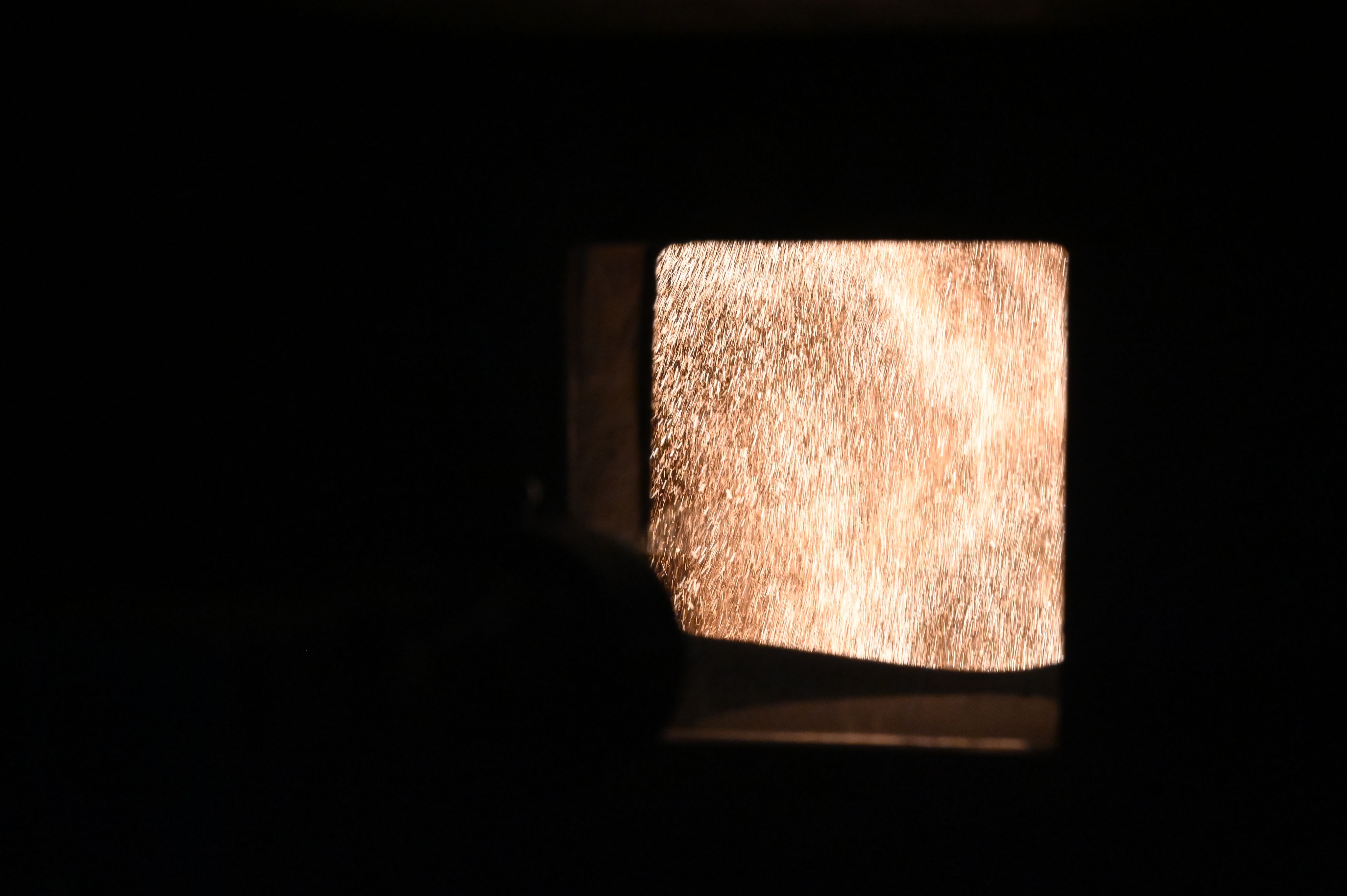
Iron in the energy cycle: sustainable, scalable and safe. Image: Marius Schmidt
Iron in the energy cycle: sustainable, scalable and safe. Image: Marius Schmidt

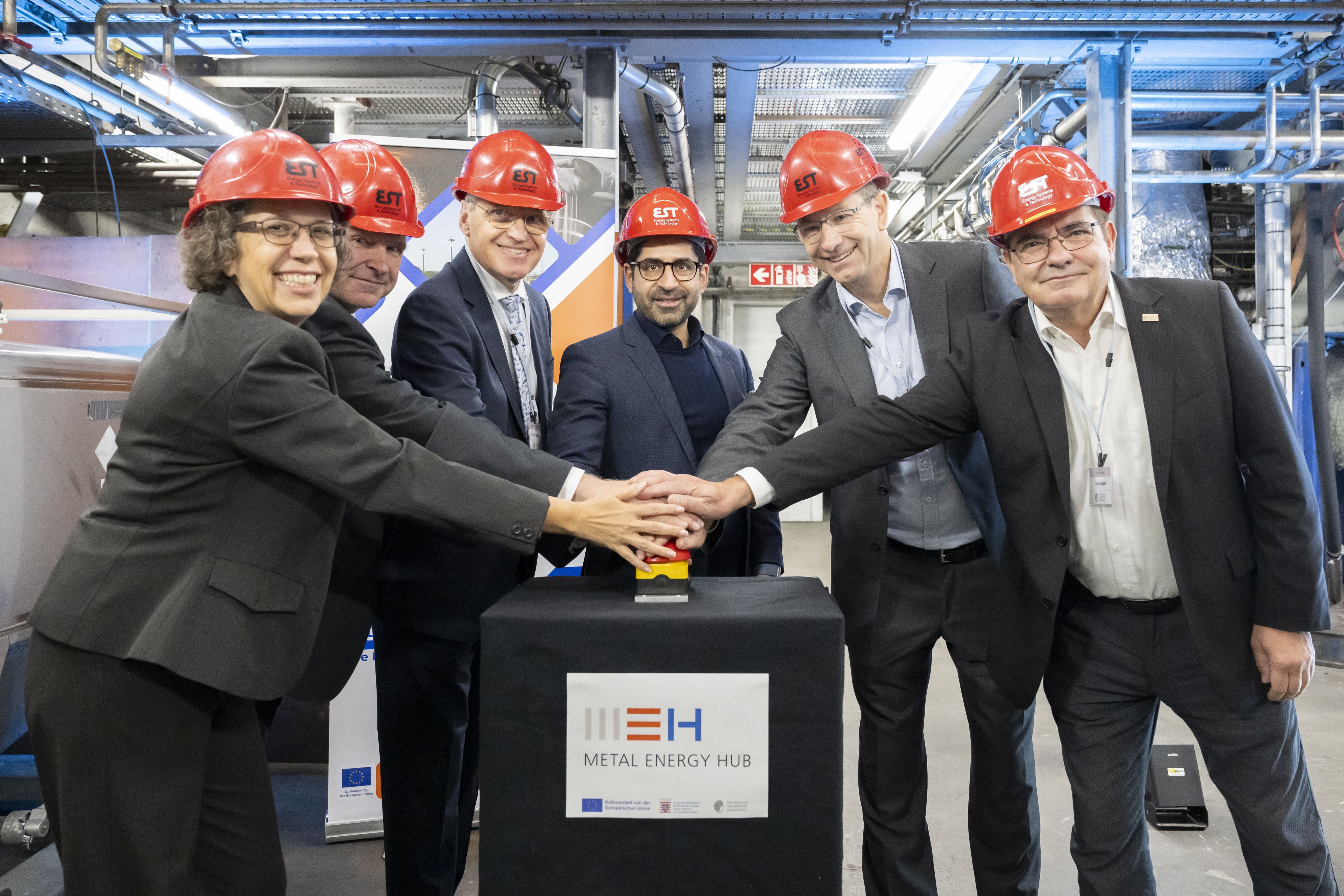
Start of pilot plant operation on 14 November 2025.
Start of pilot plant operation on 14 November 2025.
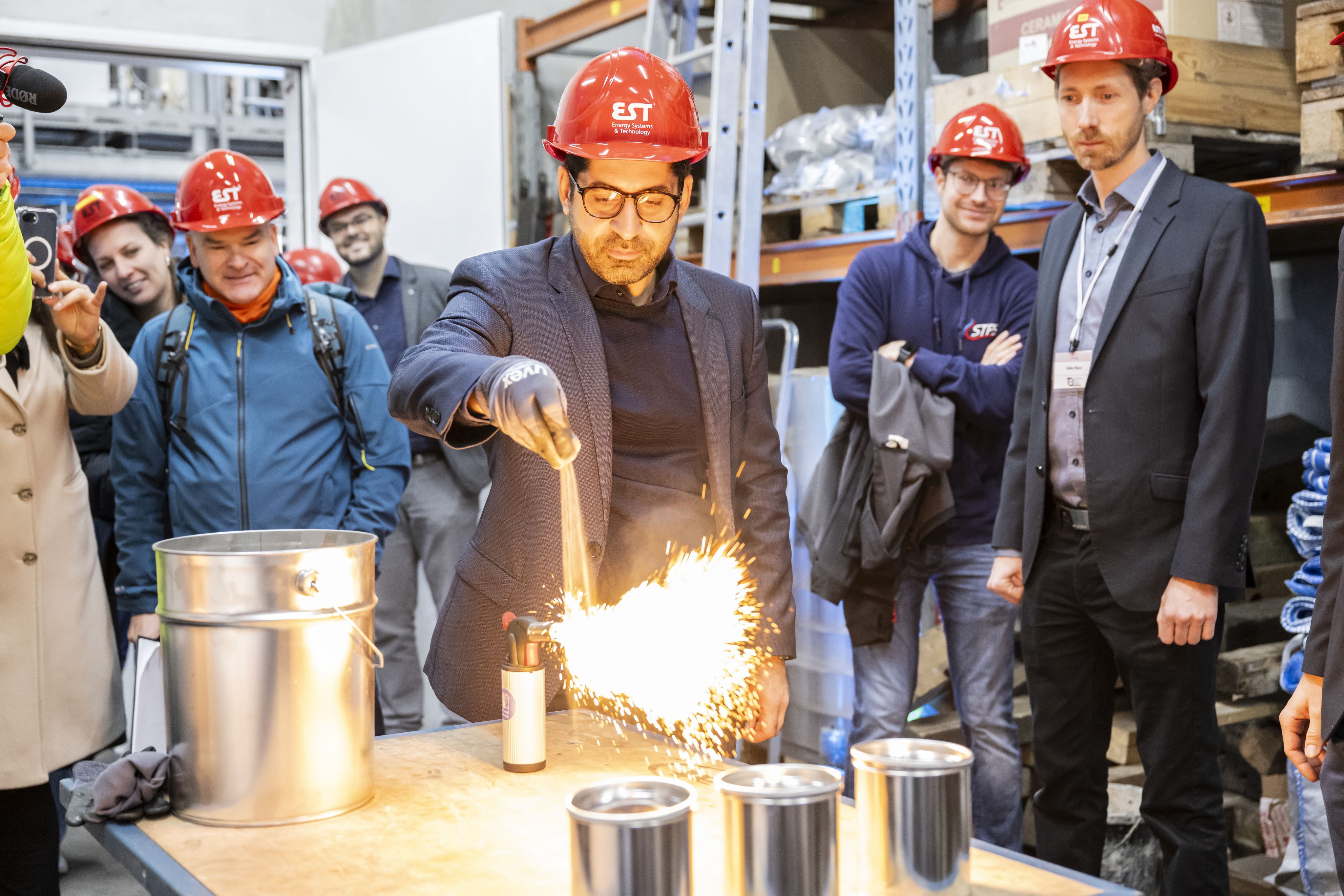
Hesse's Minister for Economic Affairs, Kaweh Mansoori, is shown how iron powder is combusted.
Hesse's Minister for Economic Affairs, Kaweh Mansoori, is shown how iron powder is combusted.
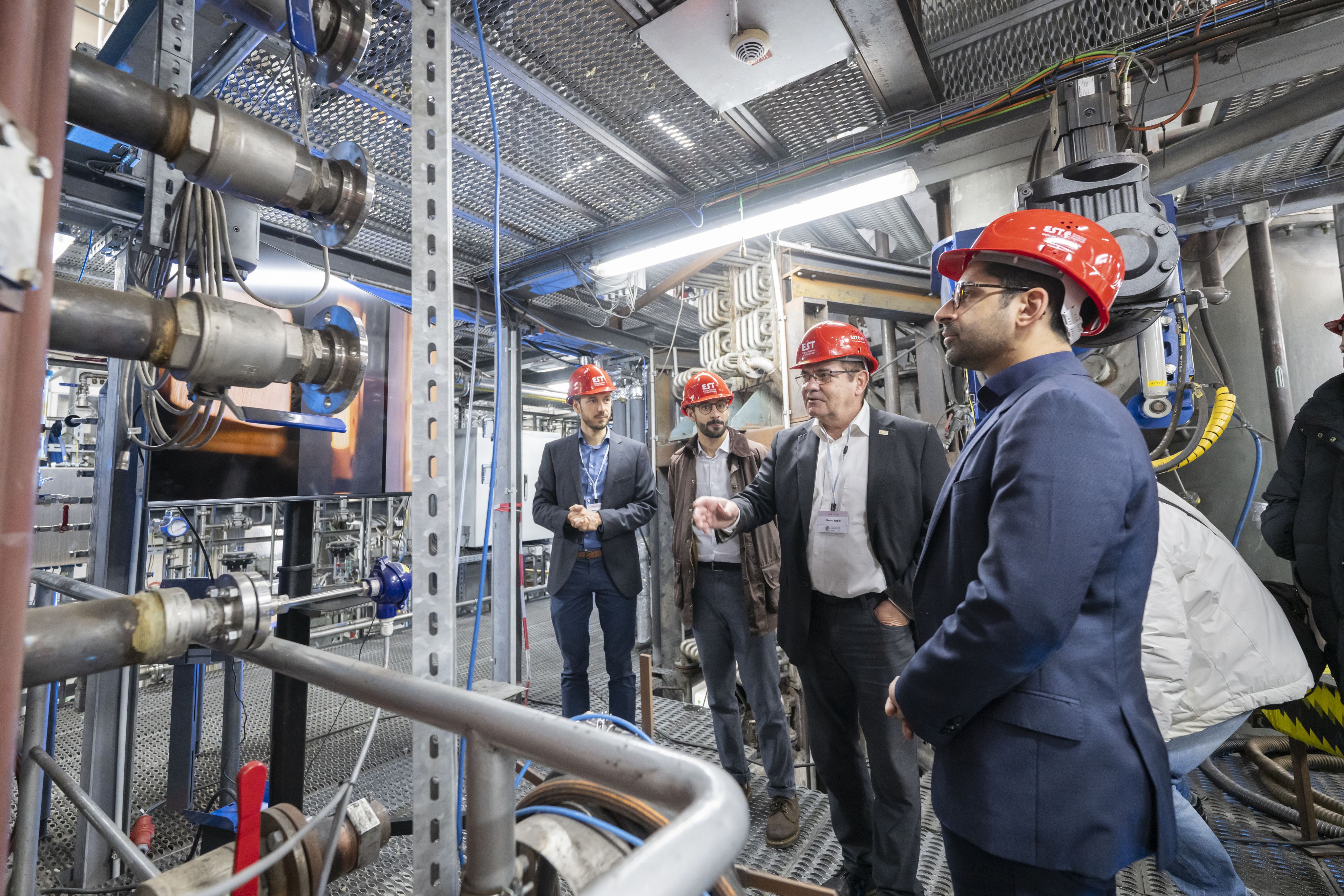
Professor Bernd Epple (centre) from the Research Group of Energy Systems and Energy Technology explains the pilot plant on the Lichtwiese campus.
Professor Bernd Epple (centre) from the Research Group of Energy Systems and Energy Technology explains the pilot plant on the Lichtwiese campus.
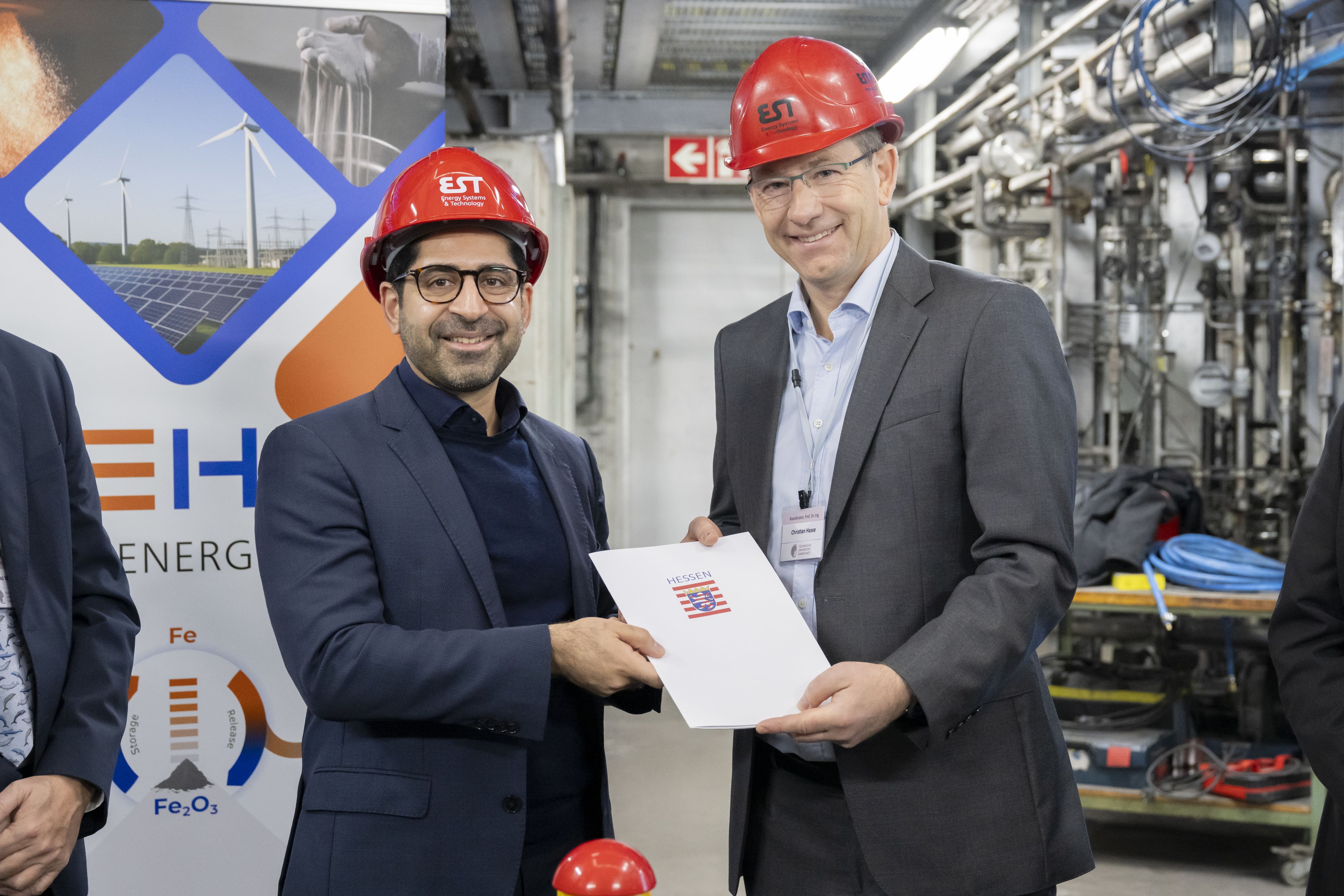
Kaweh Mansoori presents the funding approval to Professor Christian Hasse, coordinator of the Metal Energy Hub project. The project is being funded by the state of Hesse and the EU with three million euros. Images: Klaus Mai
Kaweh Mansoori presents the funding approval to Professor Christian Hasse, coordinator of the Metal Energy Hub project. The project is being funded by the state of Hesse and the EU with three million euros. Images: Klaus Mai
Evaluating components more reliably
Center for Reliability Analytics

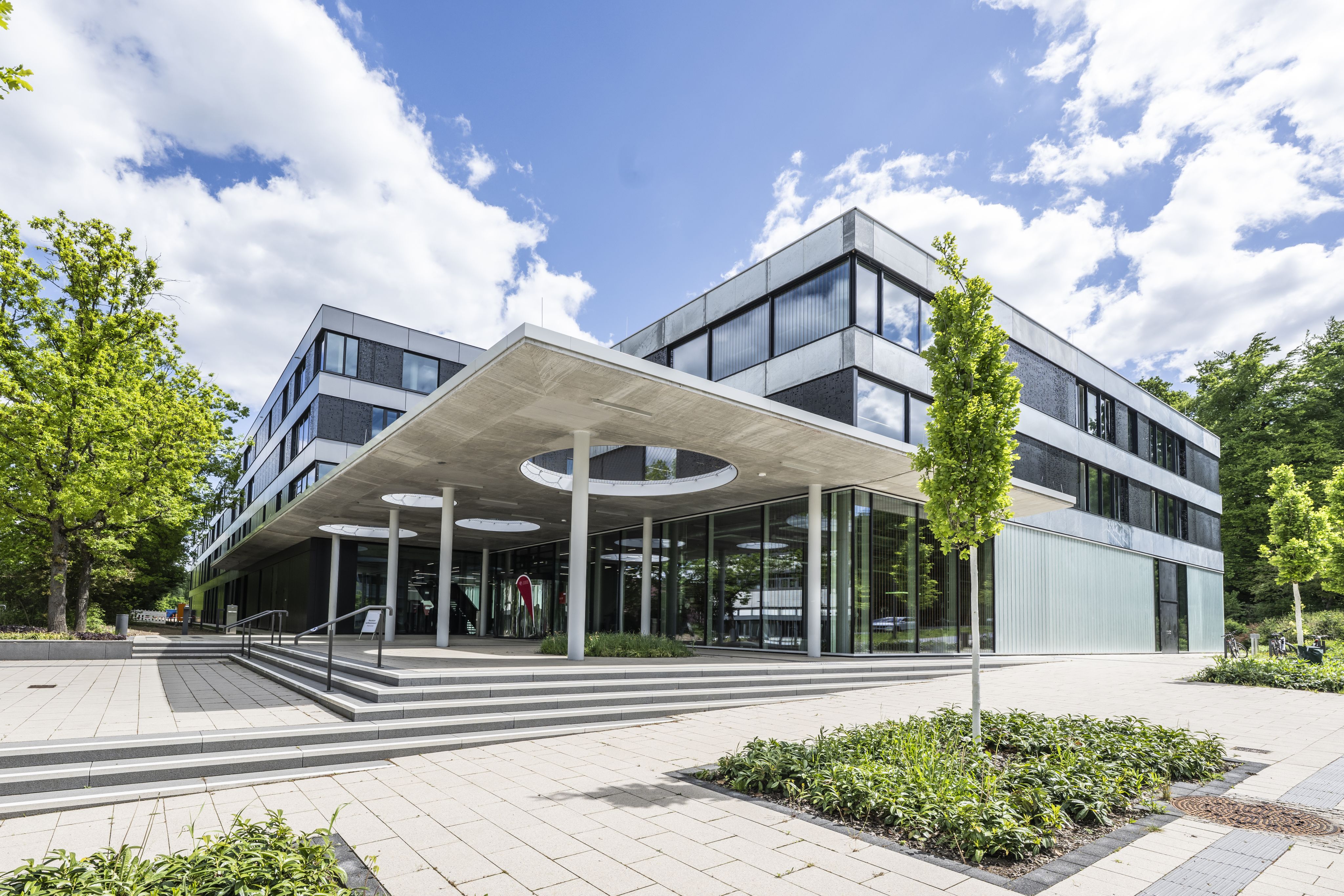
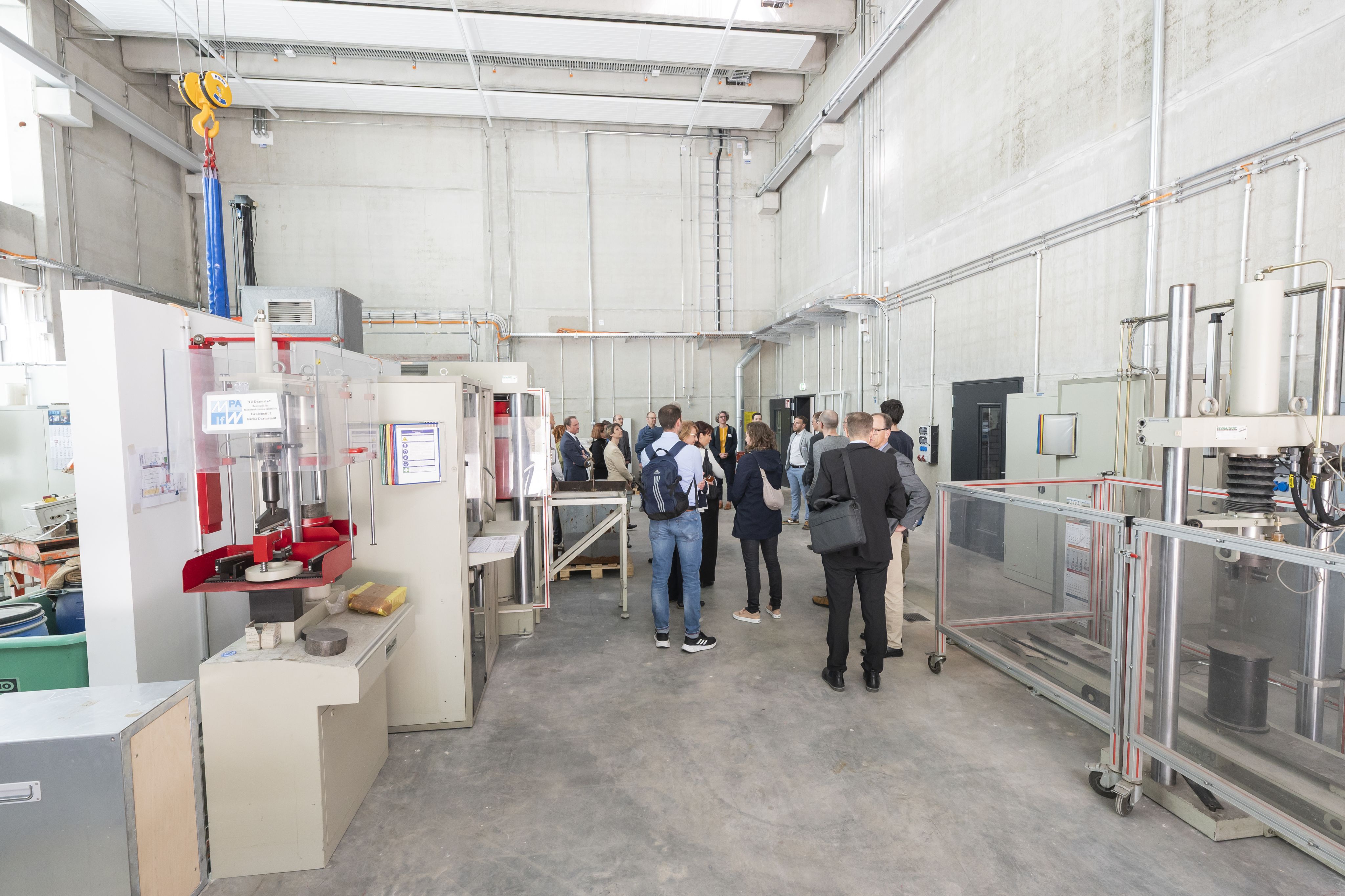
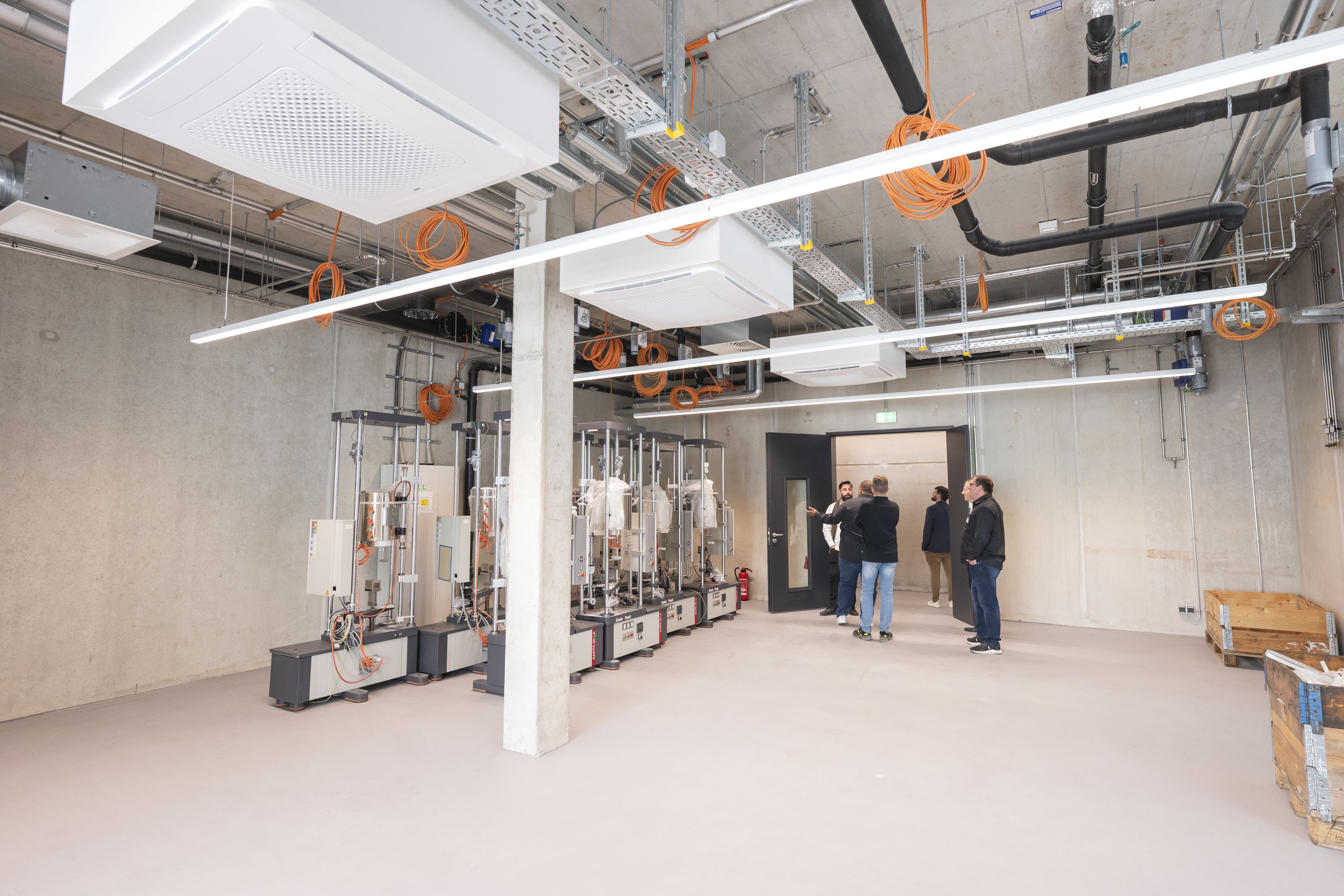
In operation since summer 2025: The new Center for Reliability Analytics (CRA) research building is laying the scientific foundations for more accurate assessment of the reliability of products in mechanical and plant engineering and their transfer into practical application.
It stands to reason that the more we know in advance about the quality of materials and components, the better we can design them in the future. Digital methods, concepts and models open up completely new possibilities in this regard.
At the CRA, researchers from the fields of computer science, electrical engineering and information technology, materials science, civil and environmental engineering, and mechanical engineering are working together to validly predict and specifically influence the operational stability and service life of components in mechanical and plant engineering.
‘The CRA is another research building that the federal government has selected for funding, thus demonstrating the particular research strength of TU Darmstadt.’

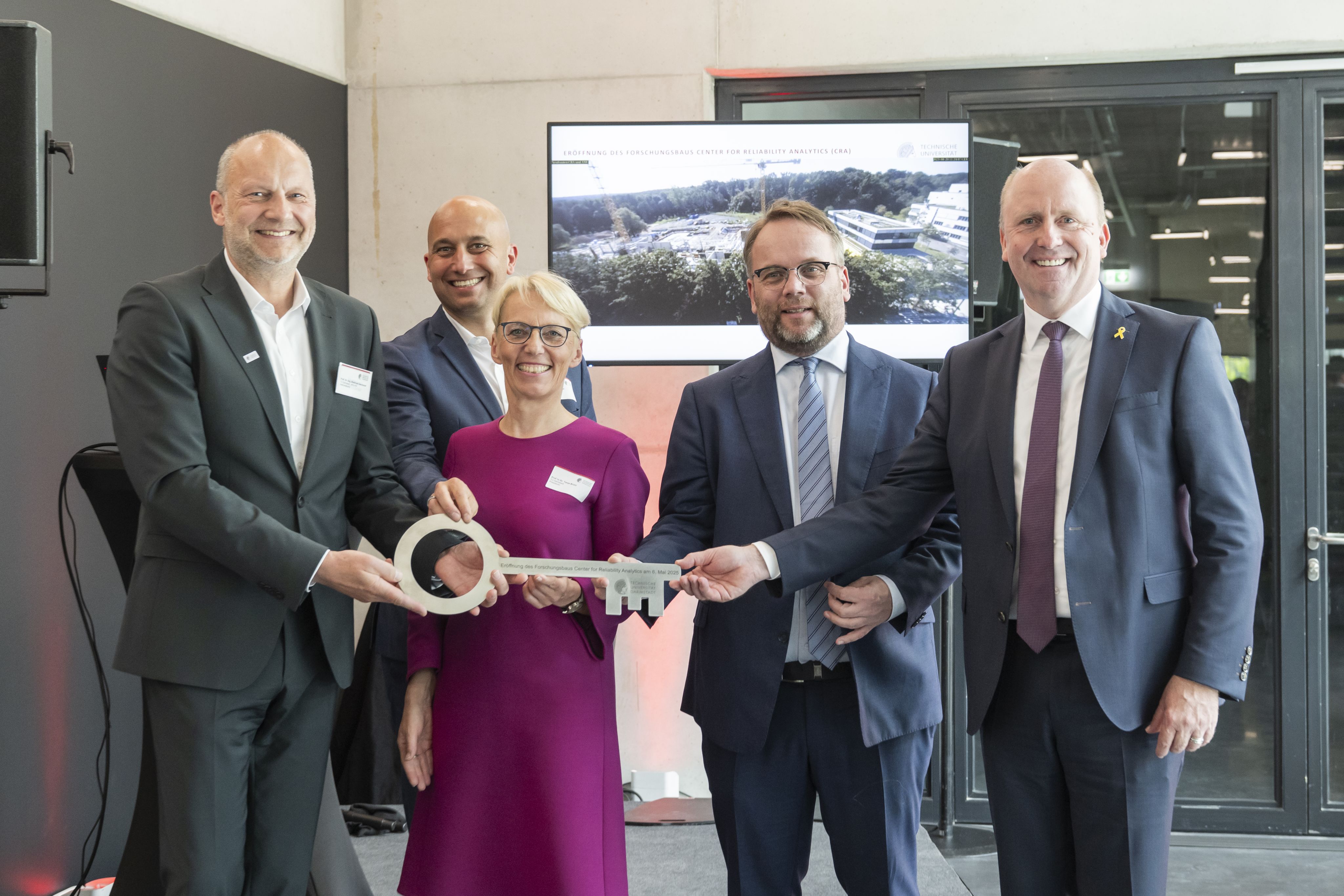
Grand opening: TU Vice-President Matthias Oechsner, TU Chancellor Martin Lommel, TU President Tanja Brühl, Hesse's Minister of Science Timon Gremmels and State Secretary for Finance Uwe Becker (from left to right). Image: Klaus Mai
Grand opening: TU Vice-President Matthias Oechsner, TU Chancellor Martin Lommel, TU President Tanja Brühl, Hesse's Minister of Science Timon Gremmels and State Secretary for Finance Uwe Becker (from left to right). Image: Klaus Mai
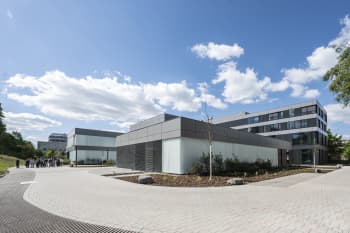
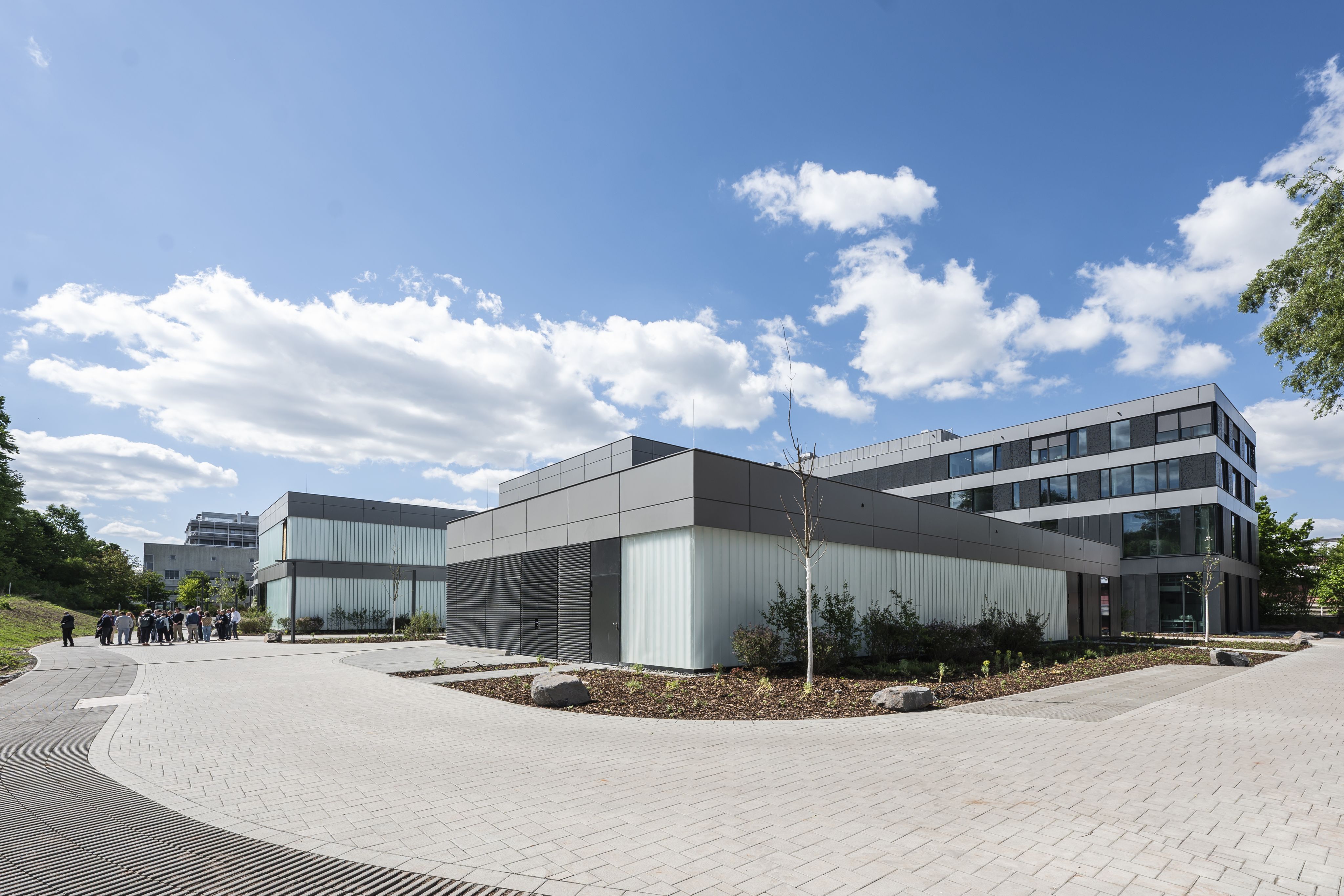
The CRA building shares its foyer and forecourt with the equally new Additive Manufacturing Centre (AMC) for technology and knowledge transfer. Thanks to the photovoltaic systems installed on the roof surfaces, climate-friendly electricity is generated for the operation of buildings and test facilities. The waste heat generated in the integrated data centre can be used for heating in winter and cooling in summer. This covers 95 per cent of the heating requirements of both buildings.

High-quality printed products
Additive Manufacturing Center

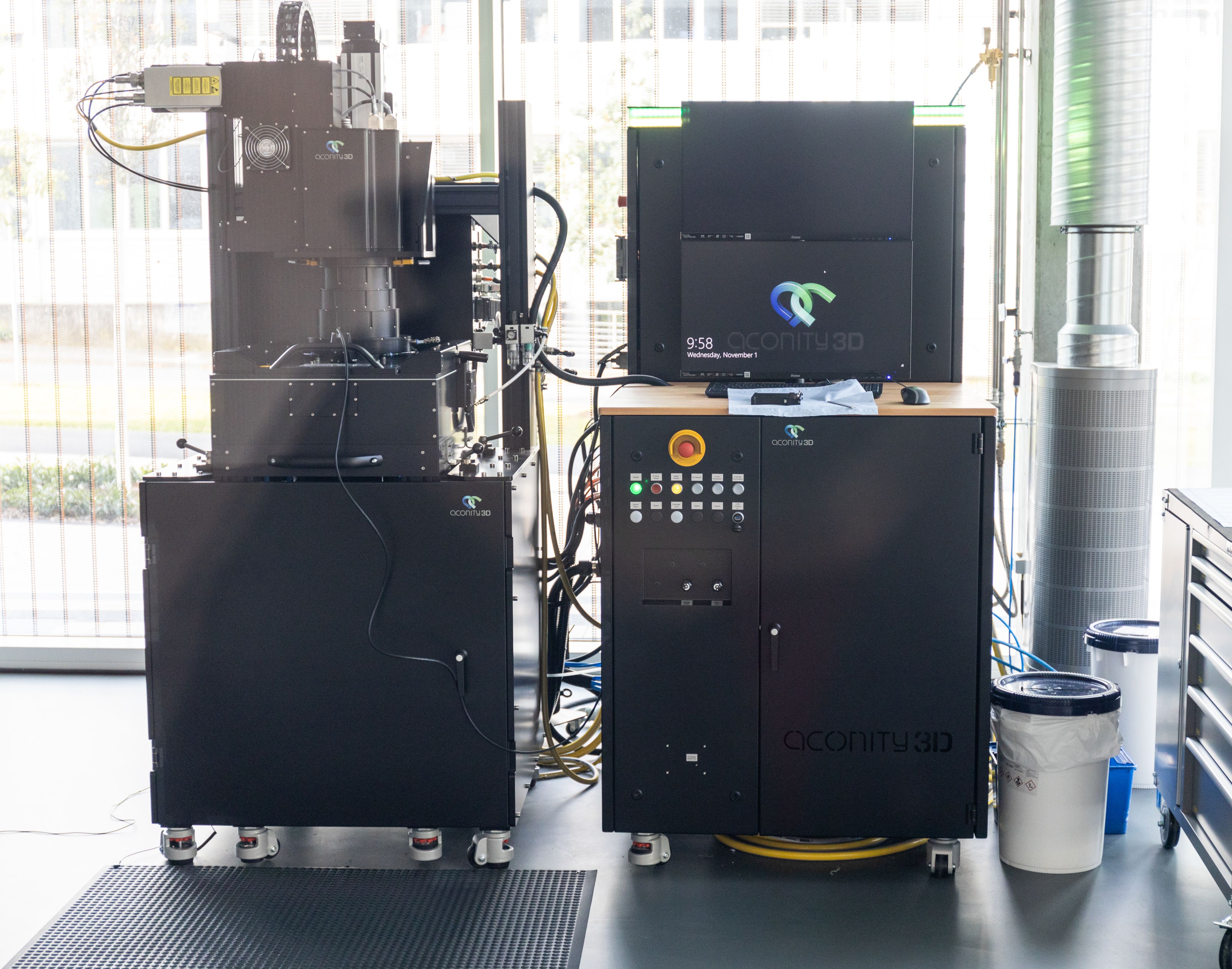
This is the first port of call for industry and business when it comes to questions and expertise relating to additive manufacturing, also known as 3D printing: the Additive Manufacturing Center (AMC) brings together expertise from 13 specialist areas in mechanical engineering, materials science, civil and environmental engineering, law and economics.
The technology centre has the latest equipment and software for additive manufacturing, as well as laboratory and testing areas for powder production, manufacturing, post-processing, and material and component analysis. It covers the entire manufacturing process chain under one roof – from raw materials to component design and the printing process to quality control.
This enables students and industry employees alike to gain practical experience with the latest technologies and techniques in the field of digitally supported manufacturing chains. Training workshops give regional SMEs in particular access to the scientific and technological potential of TU Darmstadt in newly developed additive manufacturing processes.
‘We are convinced that this centre, as a place for joint development projects, will make a valuable contribution to accelerating the transfer of technology and knowledge from academic research to industrial application.’
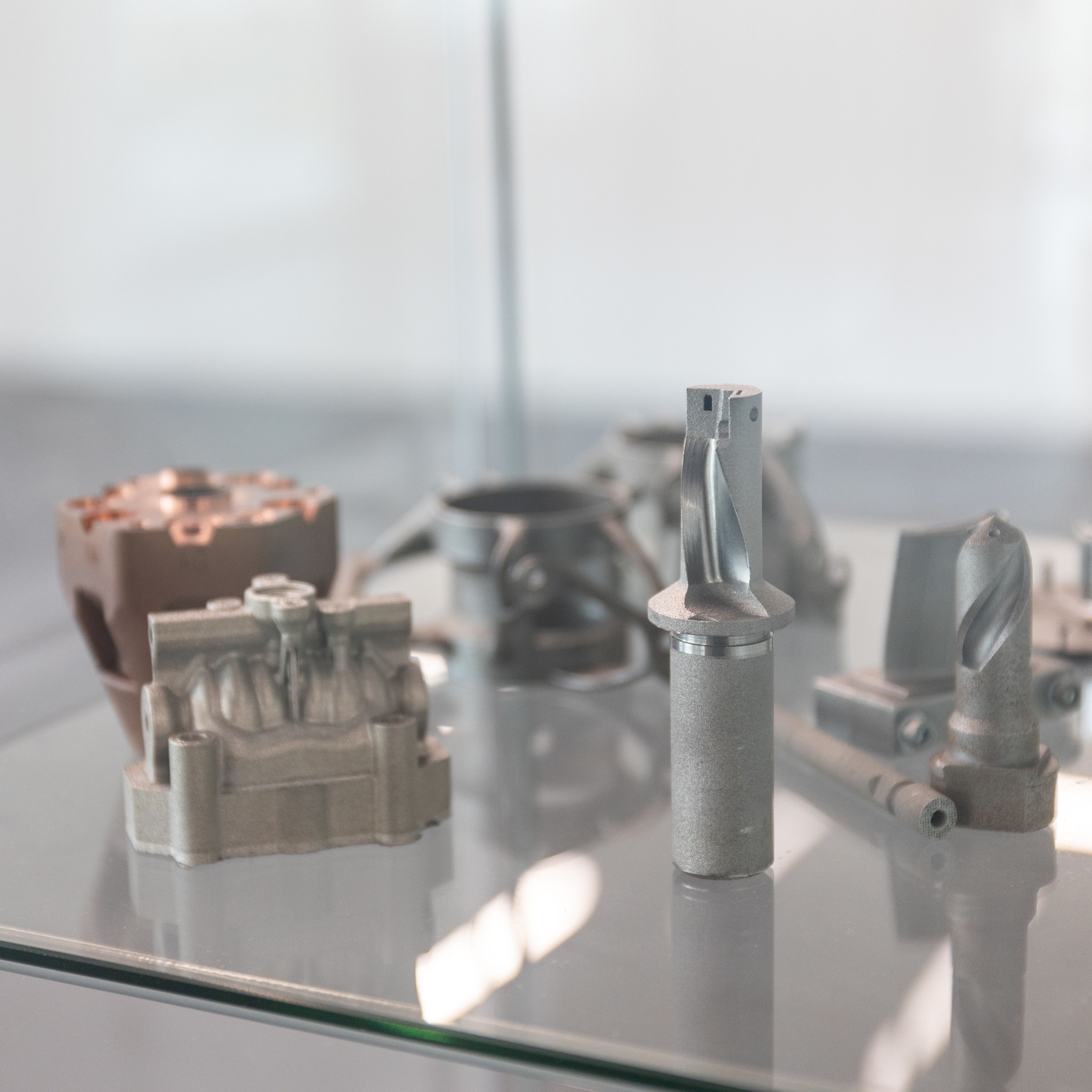
3D printing is becoming increasingly popular and is linked to a completely new way of thinking when it comes to designing new components: Workpieces are no longer manufactured by removing material, but by applying material layer by layer – ‘printing’ – until the desired shape is complete. Technology saves costs and material, reduces production waste, offers a high degree of design freedom, shortens production times and enables the manufacture of small quantities and highly individualised products.

Flexible and energy-efficent
Teaching laboratory building

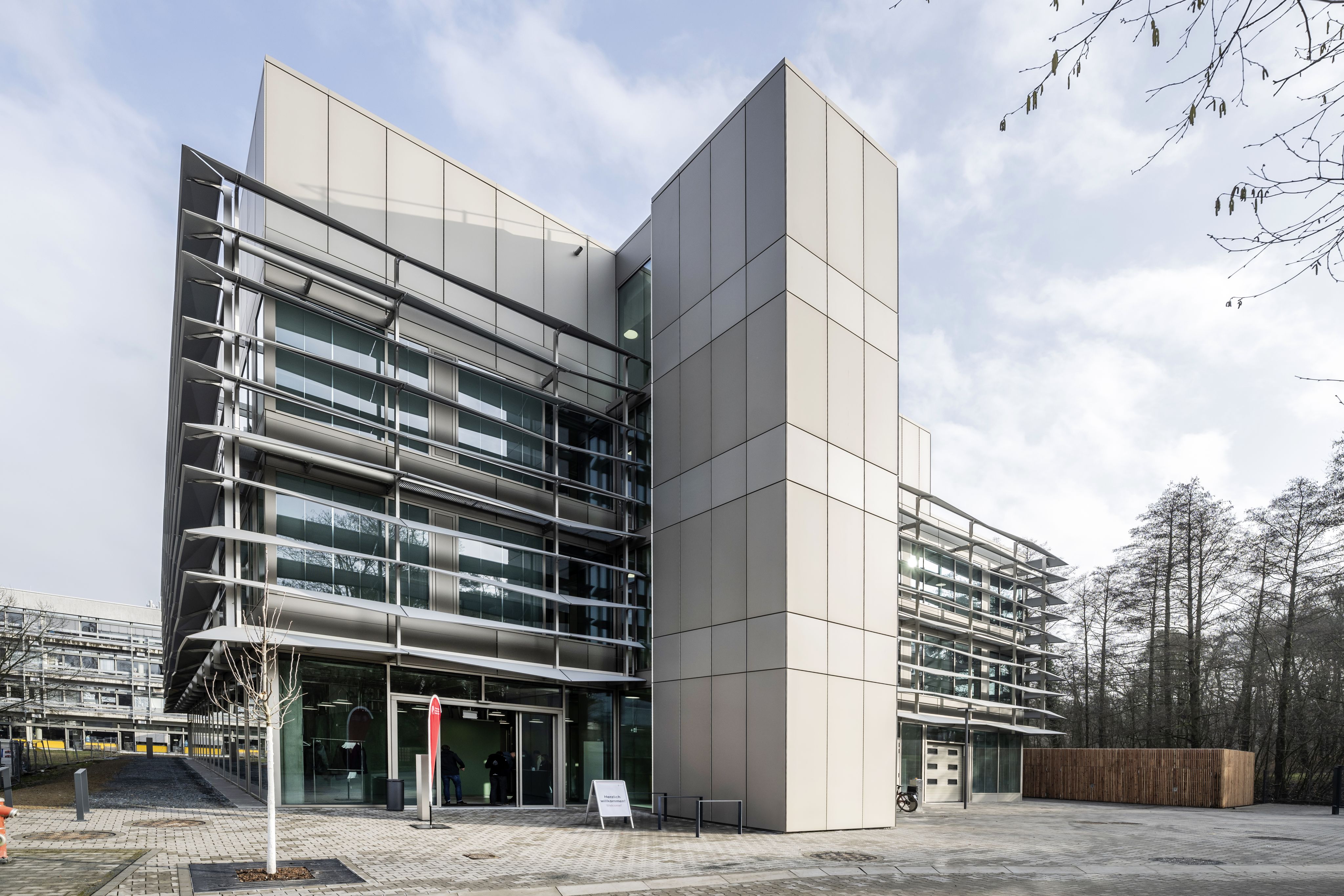
The teaching laboratory building, opened in summer 2025, enriches teaching and research in the Department of Civil and Environmental Engineering. The three-storey building house chemical and physical research laboratories, student workrooms and a technical centre.
What makes it special is that the laboratory areas are divided by transparent partition walls. This allows for a great deal of flexibility, so that any spatial adjustments can be carried out in the future with manageable construction costs. With this in mind, supporting structure was also designed in reinforced concrete – non-load-bearing interior walls facilitate later redesigns.
‘Here, students experience what distinguishes teaching at TU Darmstadt and the department: it is practice-oriented and research-based.’
The building meets high energy standards and contributes to the energy efficiency of the university's operations with sustainable technologies: these include the façade with fixed sun protection elements, the maintenance walkway, which allows cleaning work to be carried out on the façade without additional scaffolding or lifting platforms, the highly insulated building envelope and the ventilation system with a heat recovery rate of over 75 per cent.

Striking the
right note
Acoustics labs

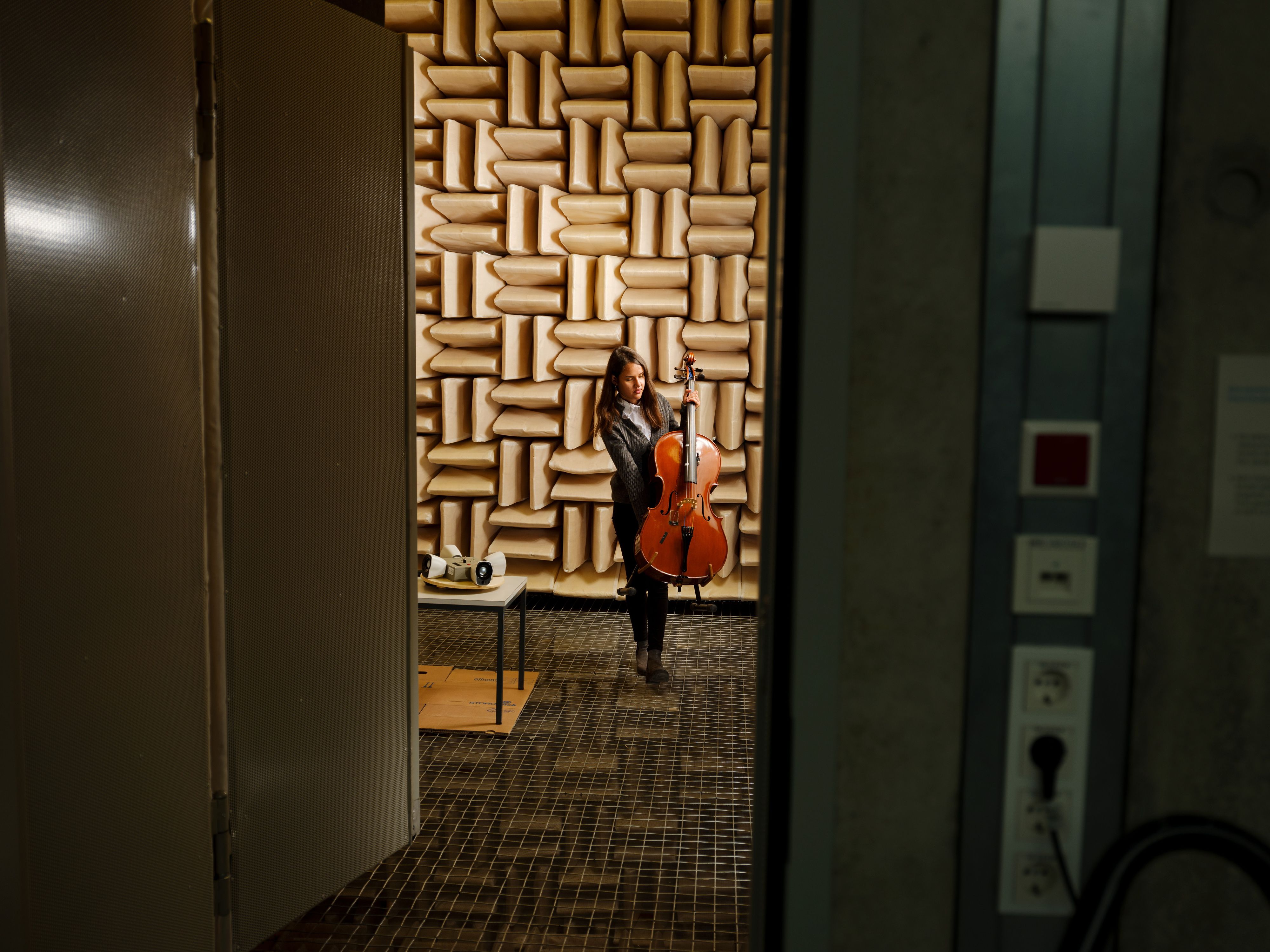
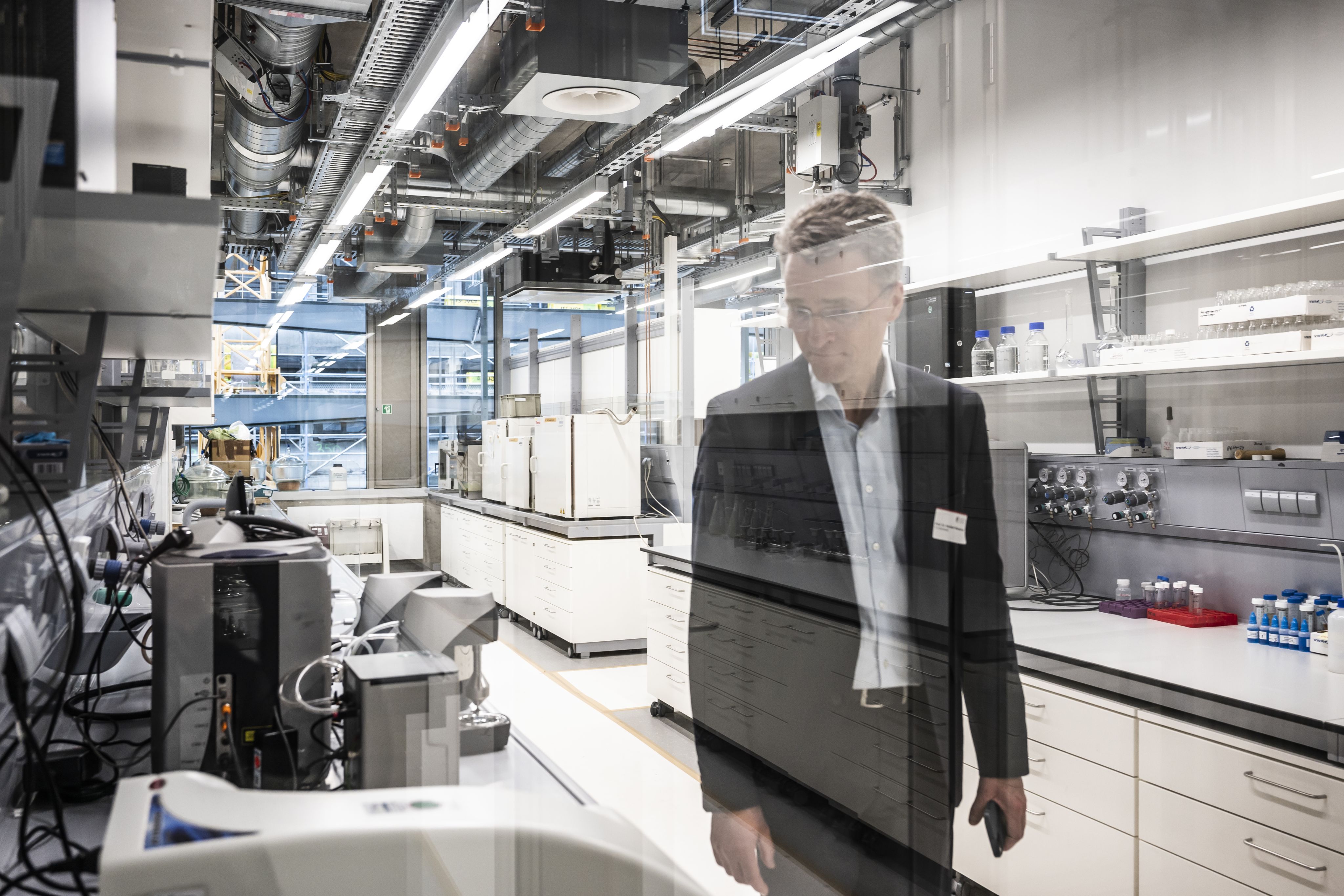
How can acoustic challenges be overcome in such a way that people and the environment are relieved of noise while at the same time creating the desired background noise depending on the situation? Three state-of-the-art acoustics laboratories are working on new methods and processes to help shape the acoustic properties of machines right from the start of their development.
In experiments, researchers analyse individual components and complete machines, right up to vehicles. Their core business, in cooperation with partners from industry and research, is to better understand the mechanisms of sound generation and propagation and to be able to design the acoustics of a machine in a targeted manner and in line with customer requirements.
Take the automotive industry, for example: often, the design of desired acoustic properties is only incorporated late in the product development process. If the prototype is then finished and disturbing noises occur, improvements have to be made – which costs time and money. At the same time, a brand-specific acoustic experience is highly desirable and can even be a deciding factor in a purchase – a classic example is the associatively charged muffled sound when the door of a luxury car is closed. What is needed, therefore, are solutions that ensure both – the avoidance of annoying noises and the generation of desired noises – right from the start.
Three physical variables are important when it comes to influencing noise: mass, stiffness and damping. In order to design vehicle components correctly with these variables in mind, a versatile set of methods is required. Not only do the structures in the vehicle have to be designed correctly, but all important interactions relating to the material or manufacturing method must also be taken into account. This is relevant, for example, when it comes to electric mobility.
Unlike a combustion engine, an electric motor is not only too quiet to mask unwanted noise. Electric vehicles must also be as light as possible in terms of range. However, lightweight construction and acoustically appropriate, low-vibration solutions are typically at odds with each other. Researchers want to understand this more intensively and anticipate it at an early stage.
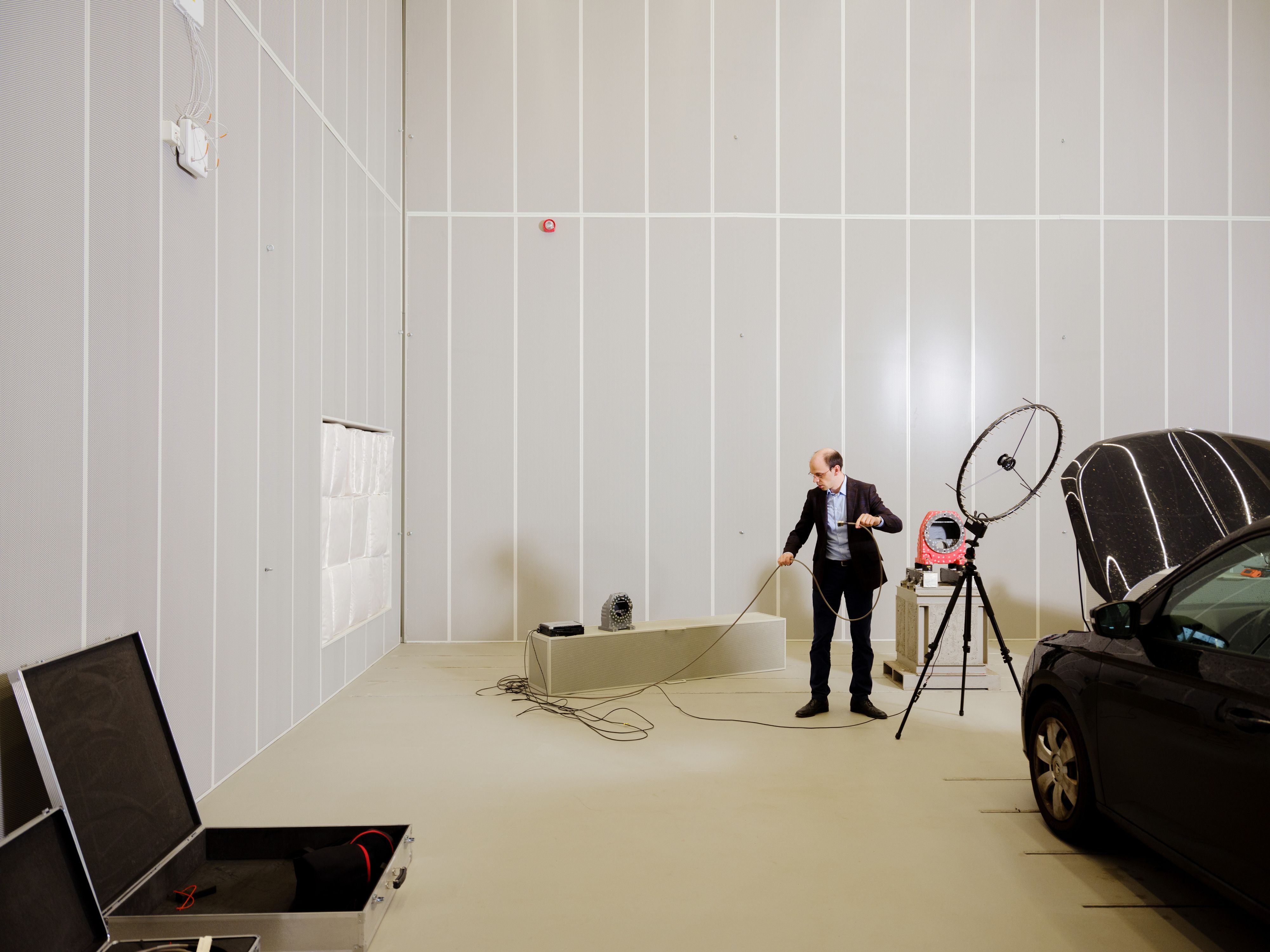
Tour of the acoustics laboratories.
Tour of the acoustics laboratories.
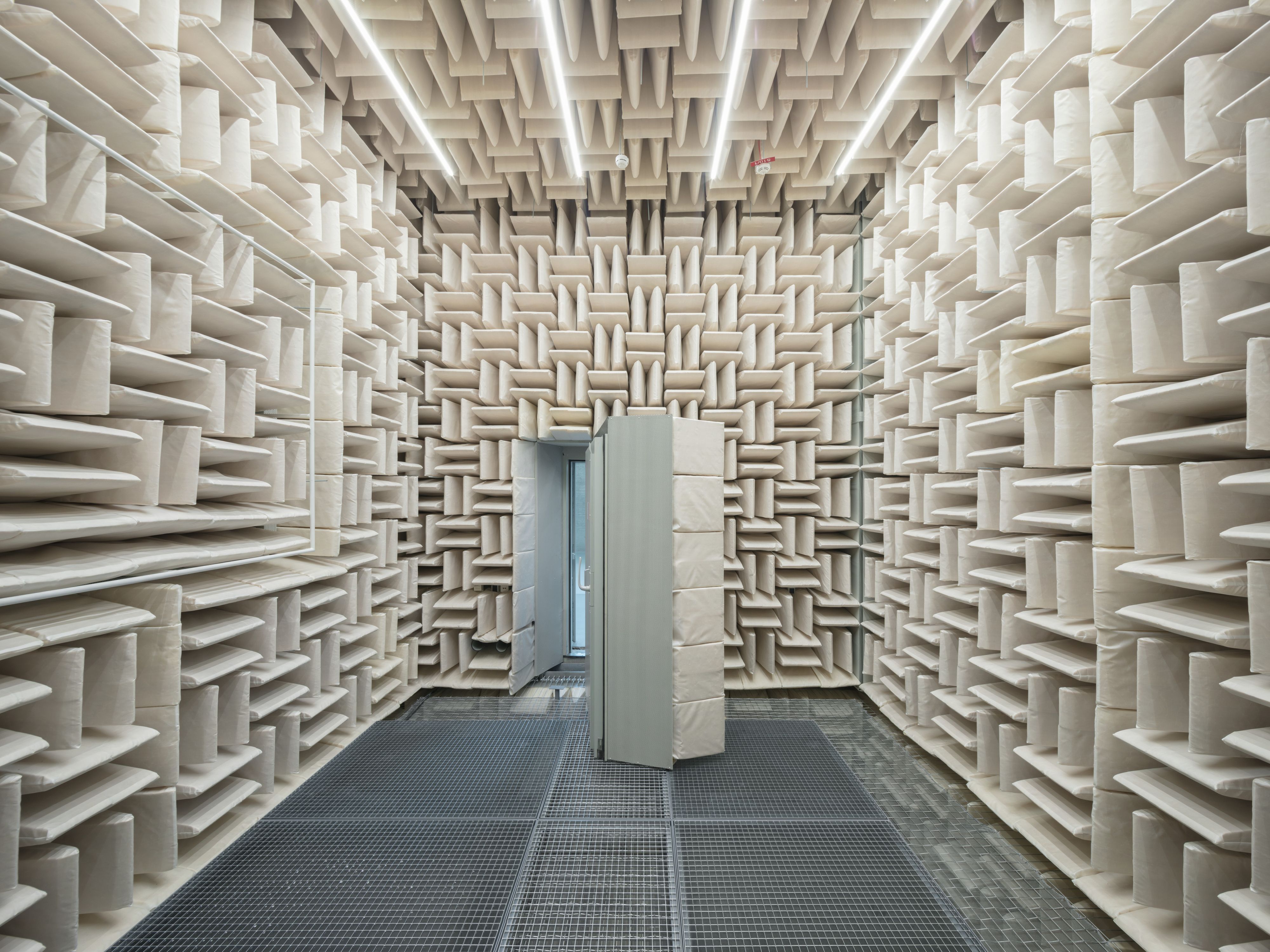
The building for the Department of System Reliability, Adaptronics and Machine Acoustics (SAM) combines a workshop with three sound measurement rooms, a control room and a technical department. Inside, sound-absorbing wall and ceiling cladding and special doors are standard. A low-reflection half-space, a reverberation chamber and a low-reflection full space are available for experiments on sound pressure, sound power, sound intensity and sound absorption, as well as sound transmission and directional characteristics.

This is where tomorrow's glasses are made
Glass Competence Center

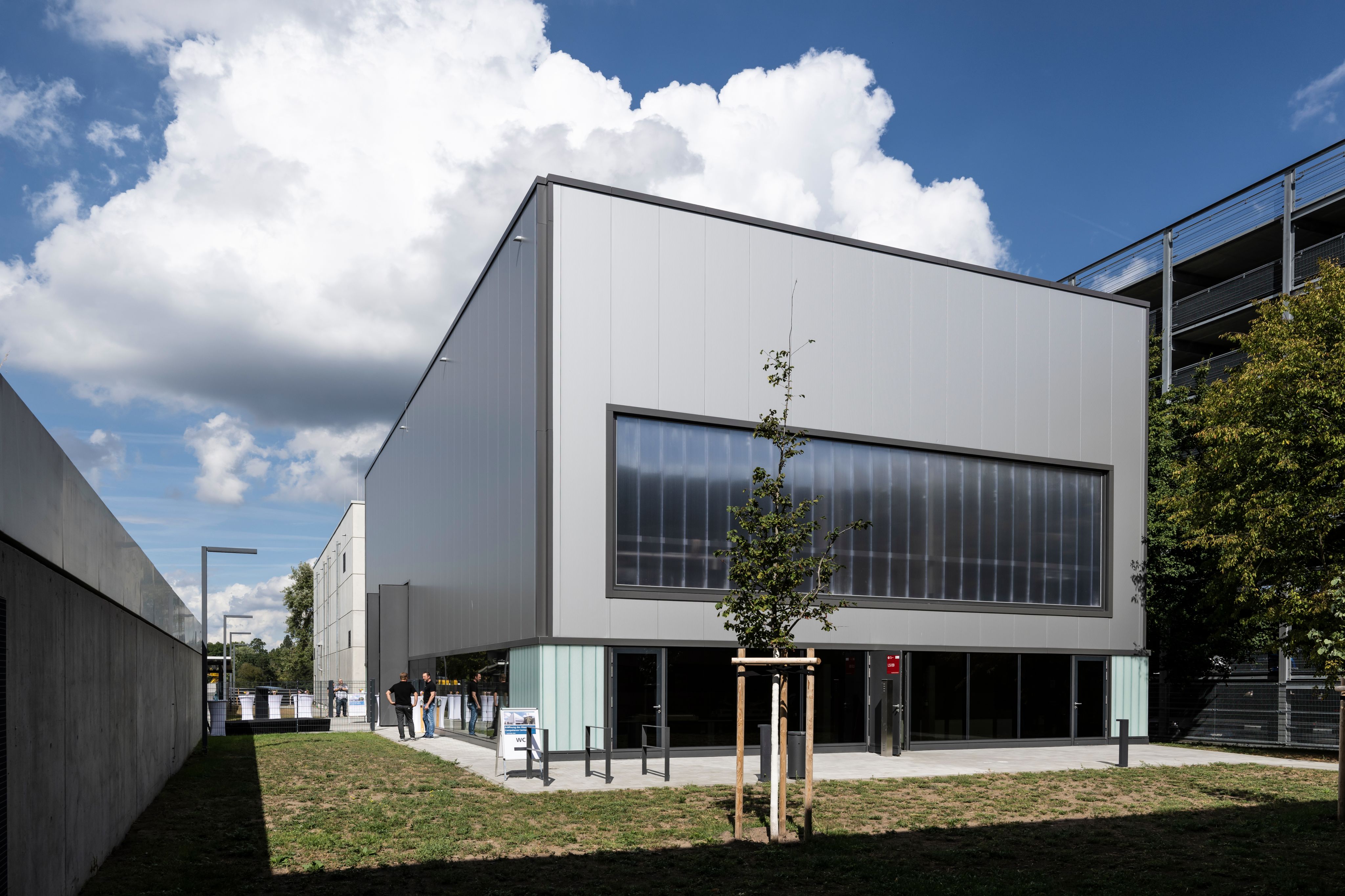
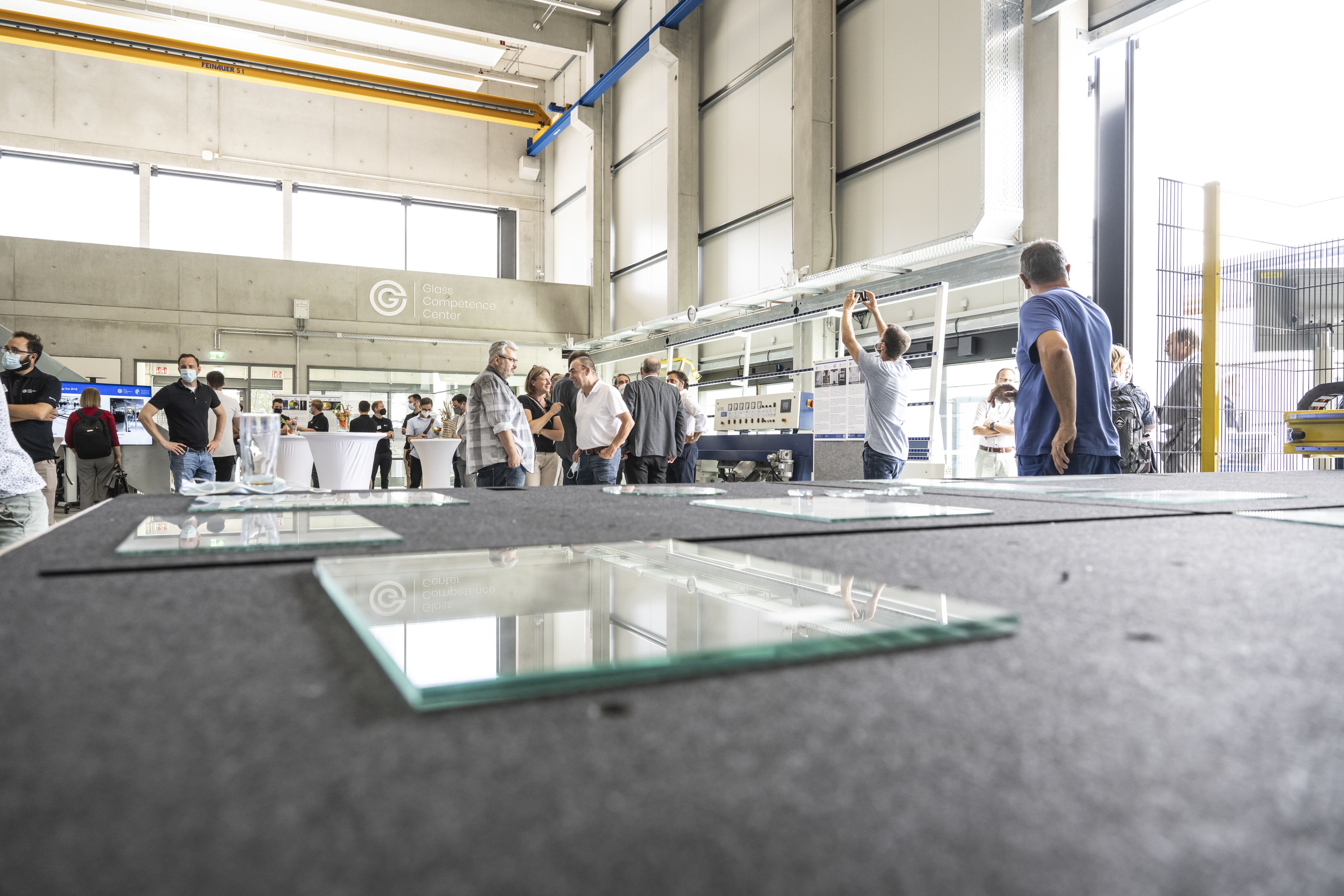
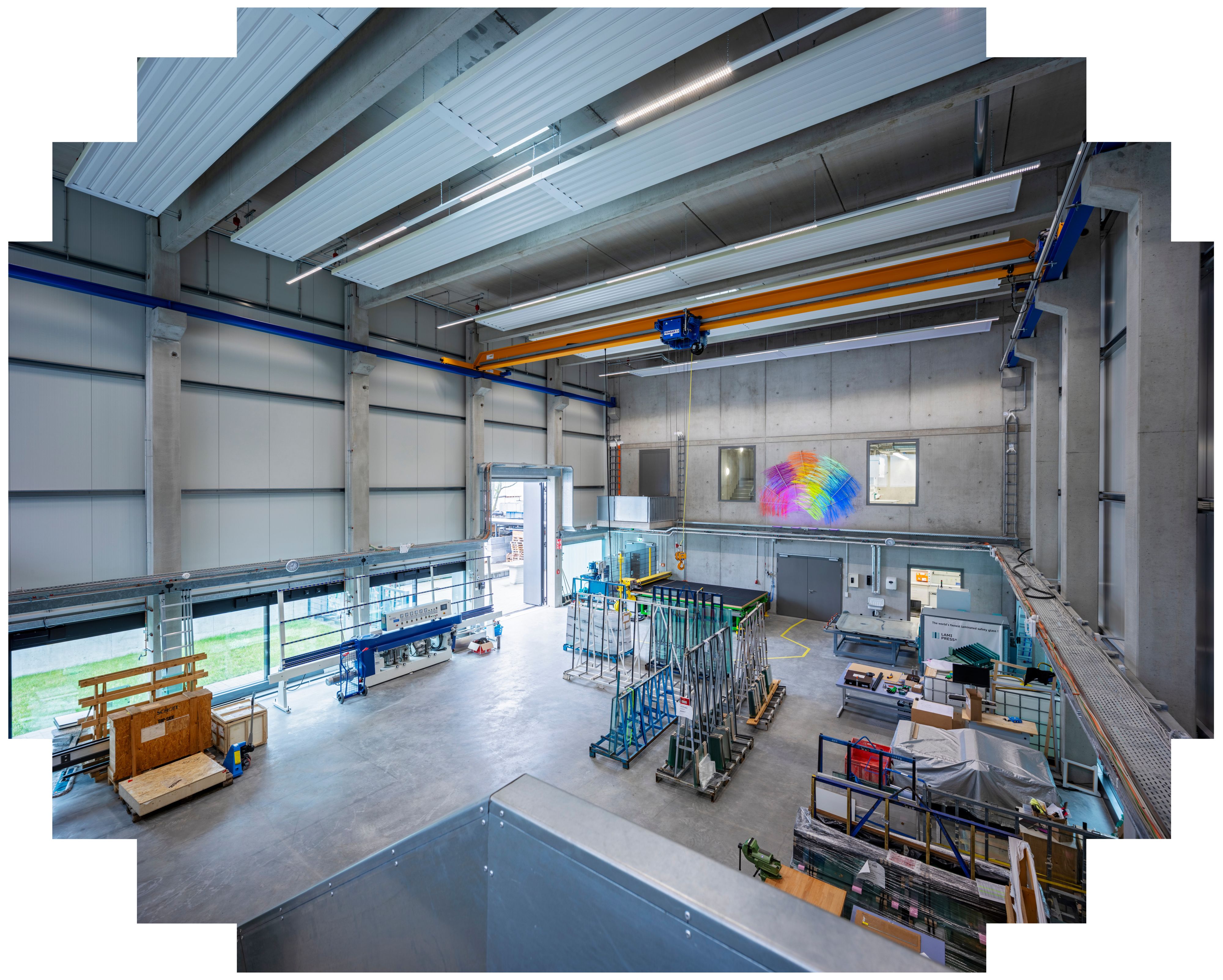
This is what you might call transparent research: the Glass Competence Center (GCC) brings together all the key processes involved in flat glass processing – from cutting and grinding to finishing.
Here, scientists focus on this important material and its applications in construction, architecture, the automotive industry and the consumer goods industry. At the heart of the center is a machine line: a total of eight machines can be used to cut, grind, drill, wash and laminate flat glass into laminated glass, among other things. There is also an adhesive and melting laboratory and an optical laboratory for analysing glass products.
Other highlights include a proprietary glass 3D printer that can also print on flat glass, and a 40-square-metre façade test bench for examining the performance of innovative designs under real weather conditions.
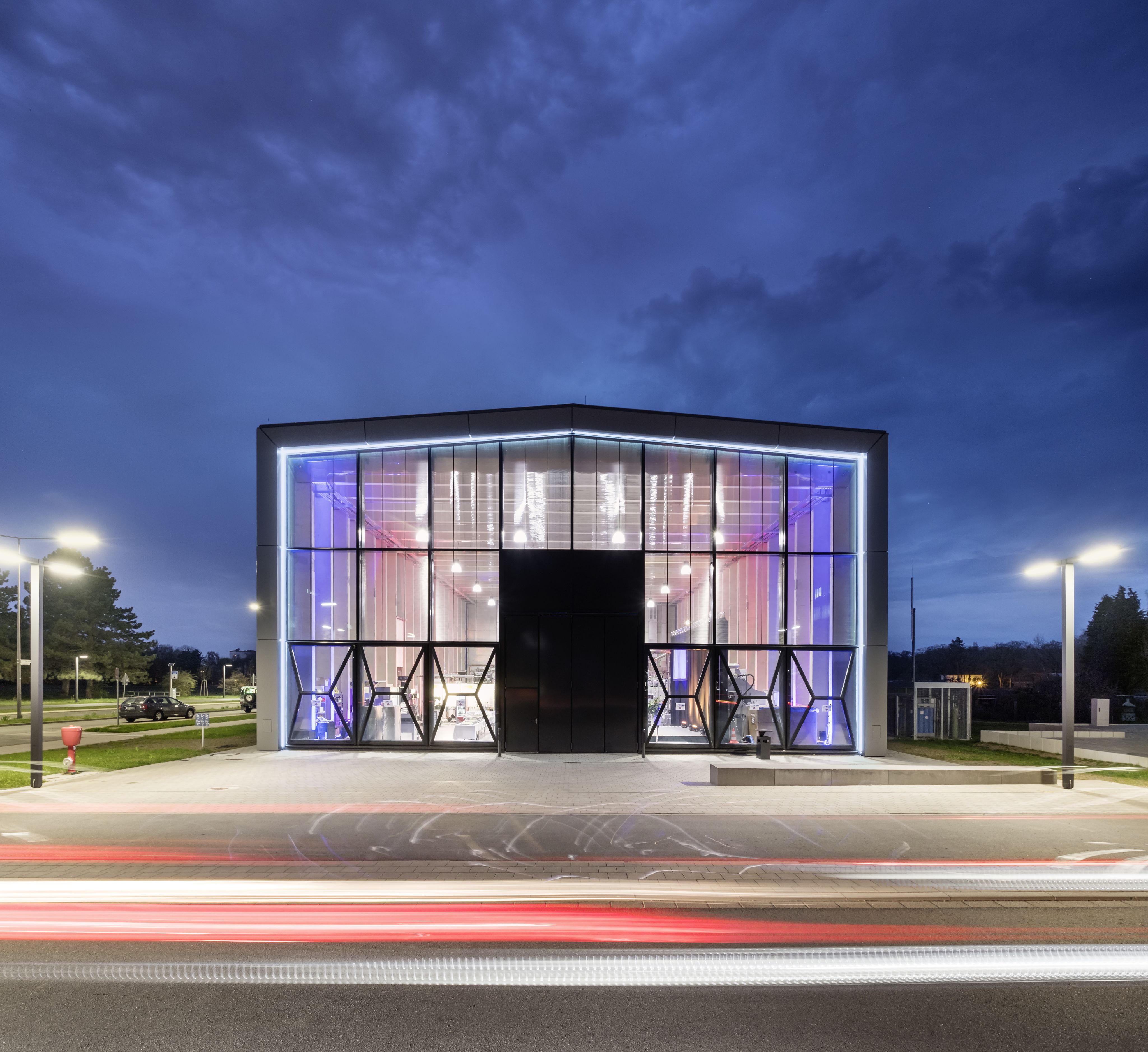
Glass products can also be exposed to wind and weather on the roof of the building, enabling comparison with artificially aged samples. The façade of the new building itself is made of innovative glass products such as elements with switchable sun protection in the space between the panes from Seele and switchable liquid crystal windows from Merck.

ETA Factory
Partner for climate-neutral production

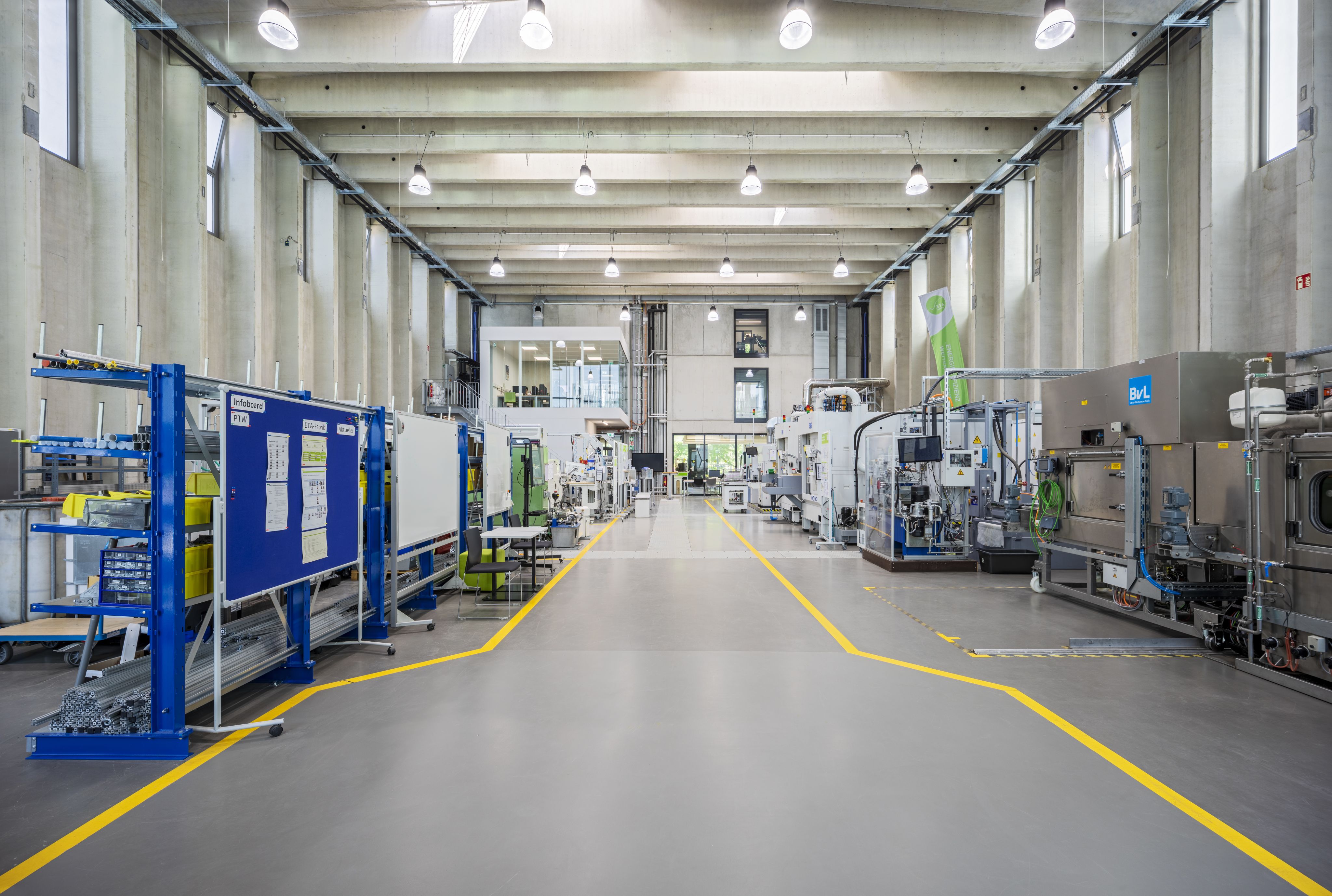
This is the ultimate center of excellence for innovative energy technologies and applications in climate-neutral production: the ETA Factory is a combination of research laboratory and demonstrator for innovations in the fields of energy efficiency, energy flexibility and resource efficiency in production.
Inside the building, machines are networked to form an energy system for testing real process chains. Delegations from companies come here to learn about the research work and methods in interactive workshops and guided tours.

Lichtenberg II high-performance computer
Supercomputer for science

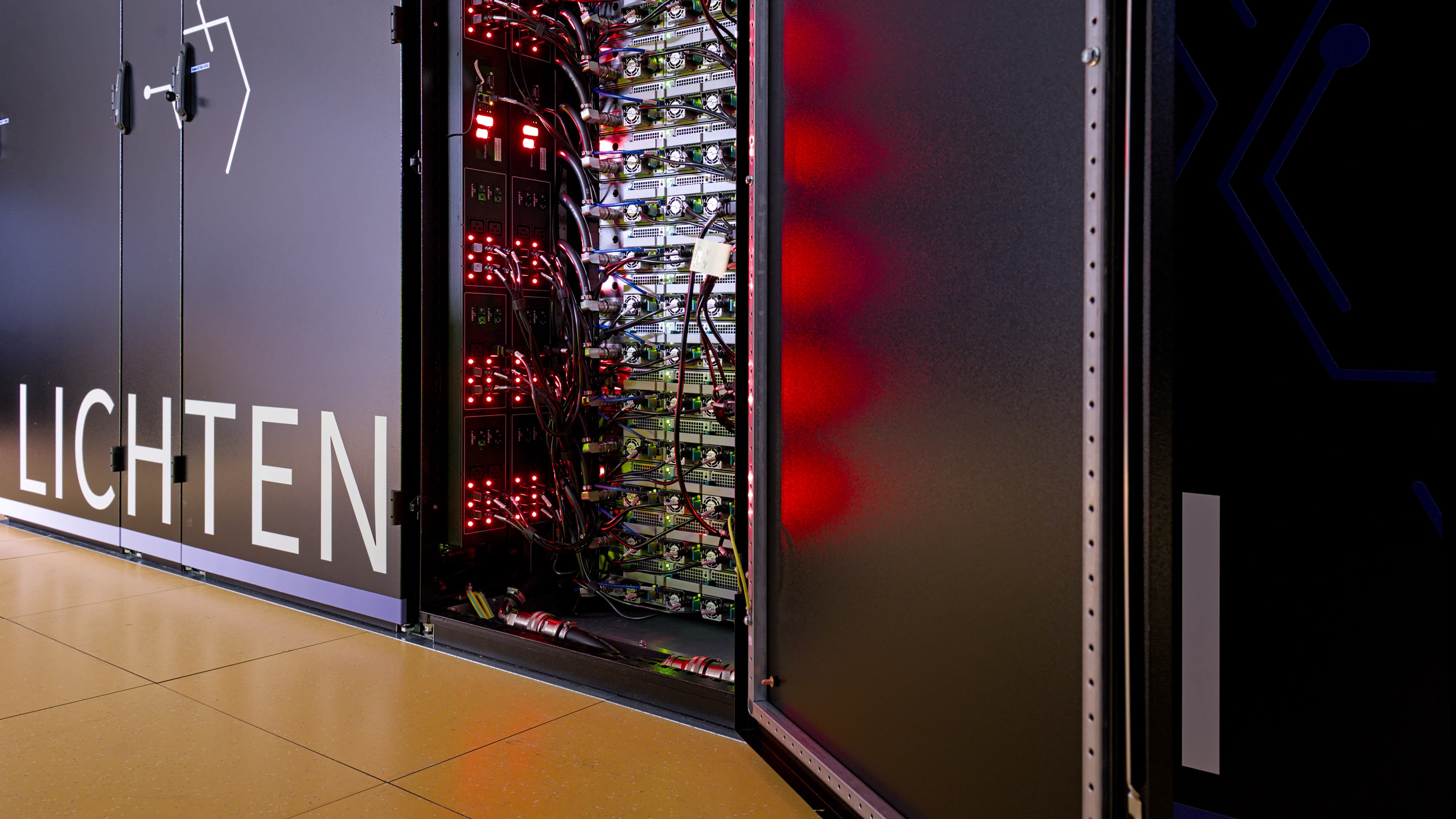
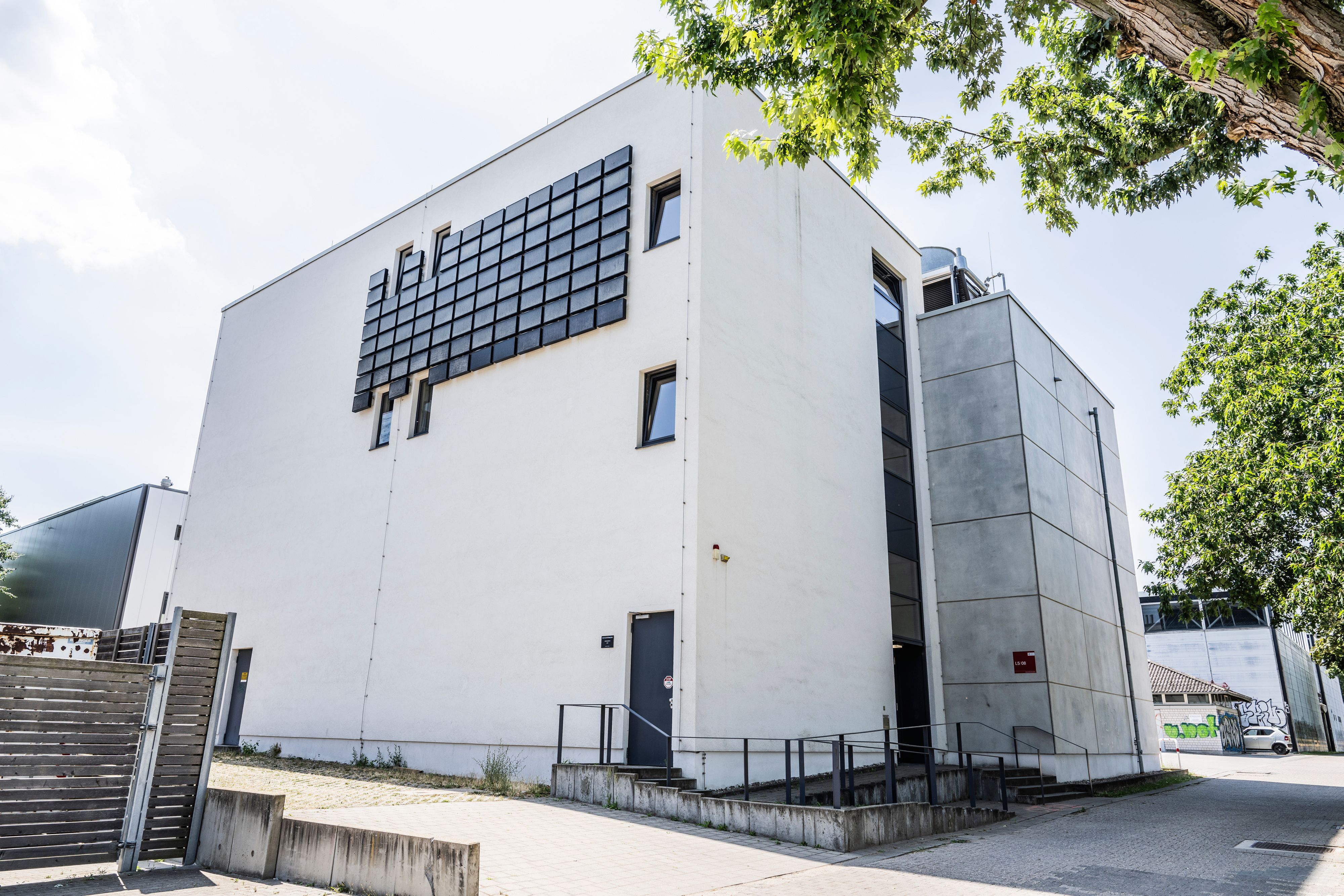
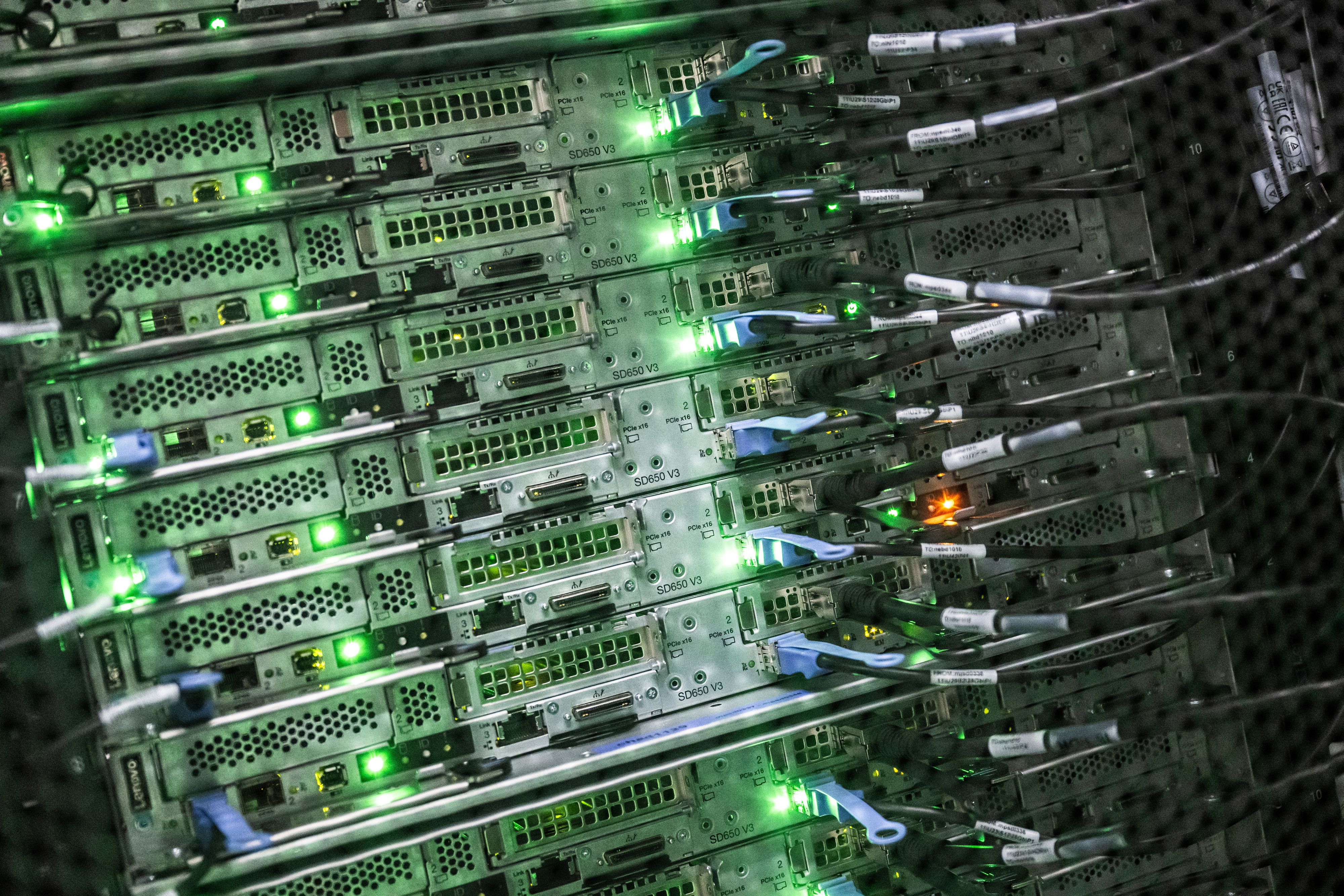
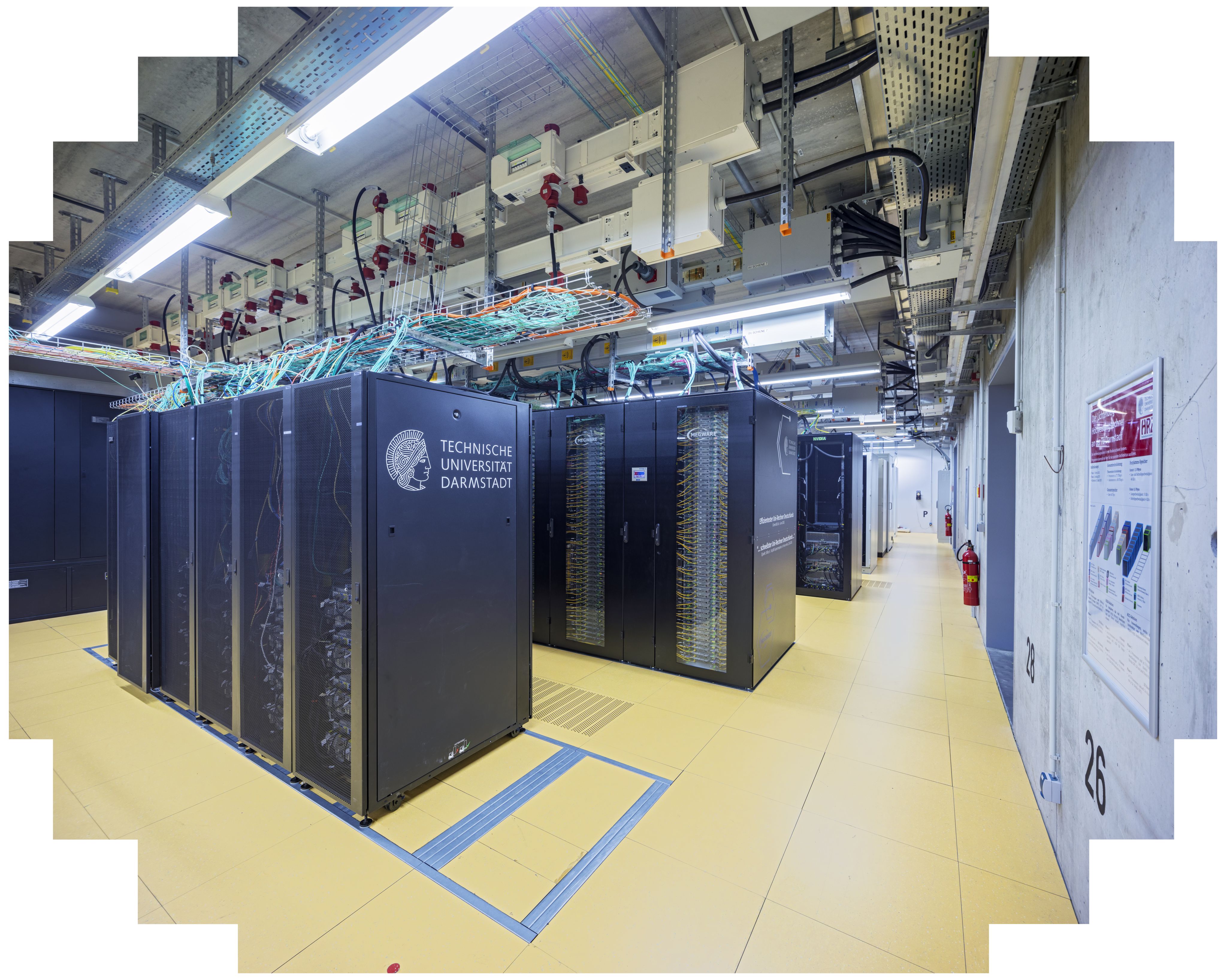
The university's Lichtenberg II high-performance computer sets standards in terms of performance and energy efficiency and offers the best conditions for excellent research. The computer is named after the polymath Georg Christoph Lichtenberg (1742-1799).
And what does it do? The design of sustainable materials, the management of the energy transition and the security of cyberspace are just a few examples of applications that require data-intensive calculations. Lichtenberg II enables calculations that could not be performed at all on ‘normal’ computers, or only much more slowly. The application and simulation programmes that researchers need are as diverse as the topics themselves.
Grand opening of the Lichtenberg II supercomputer on 11 July 2023.
Energy-efficient computer systems and sustainable use are key objectives for TU Darmstadt. For this reason, a significant proportion of the waste heat from Lichtenberg II is fed into the district heating network during the heating season, which connects all buildings on the Lichtwiese campus.
Lichtenberg II uses direct and highly efficient hot water cooling to maximise the performance of the processors. Special heat exchangers and coolant distributors enable high return temperatures of over 45 degrees Celsius to ensure sensible reuse of energy and efficient cooling.


FlowFactory
Much more than
a factory

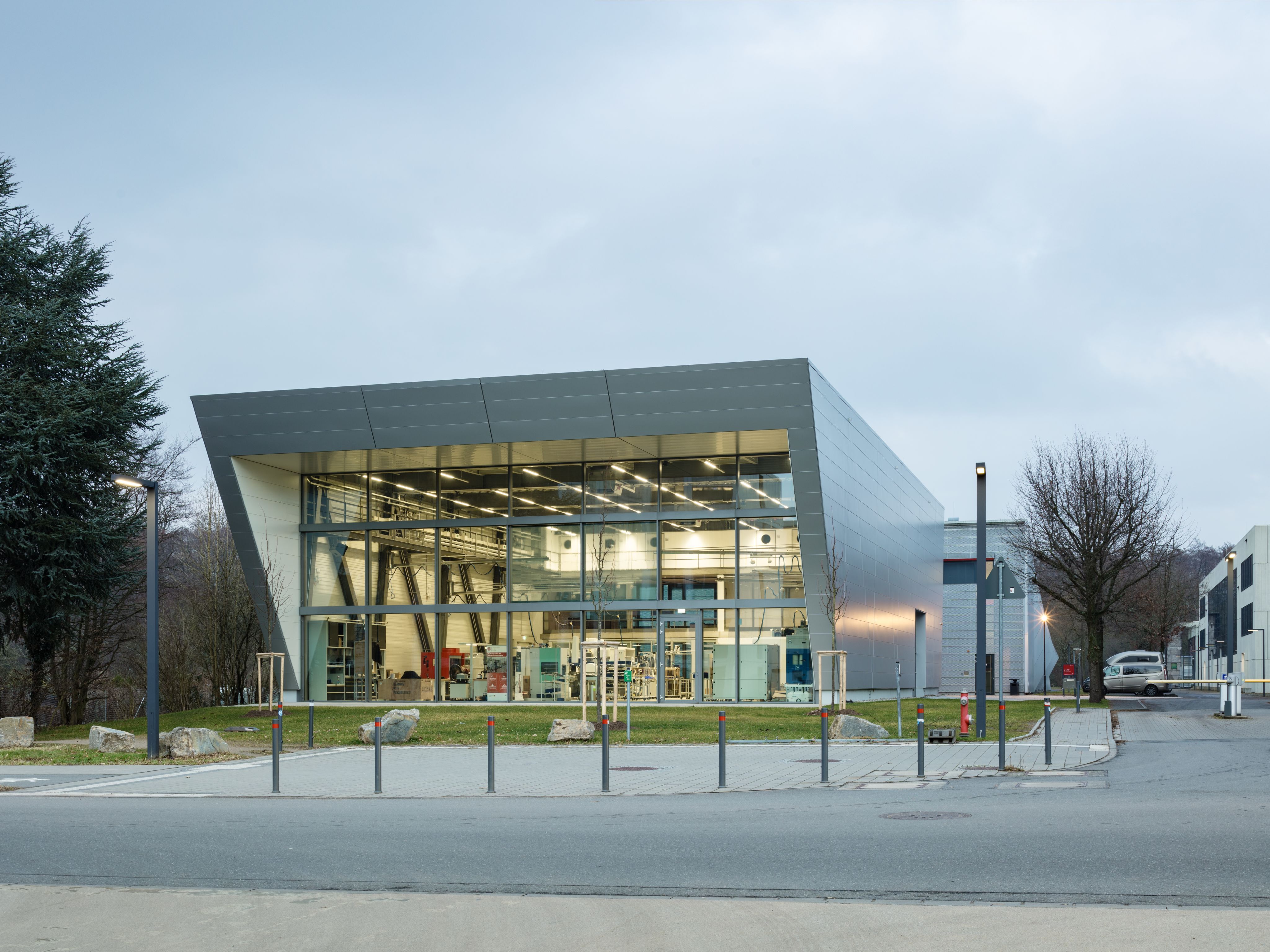
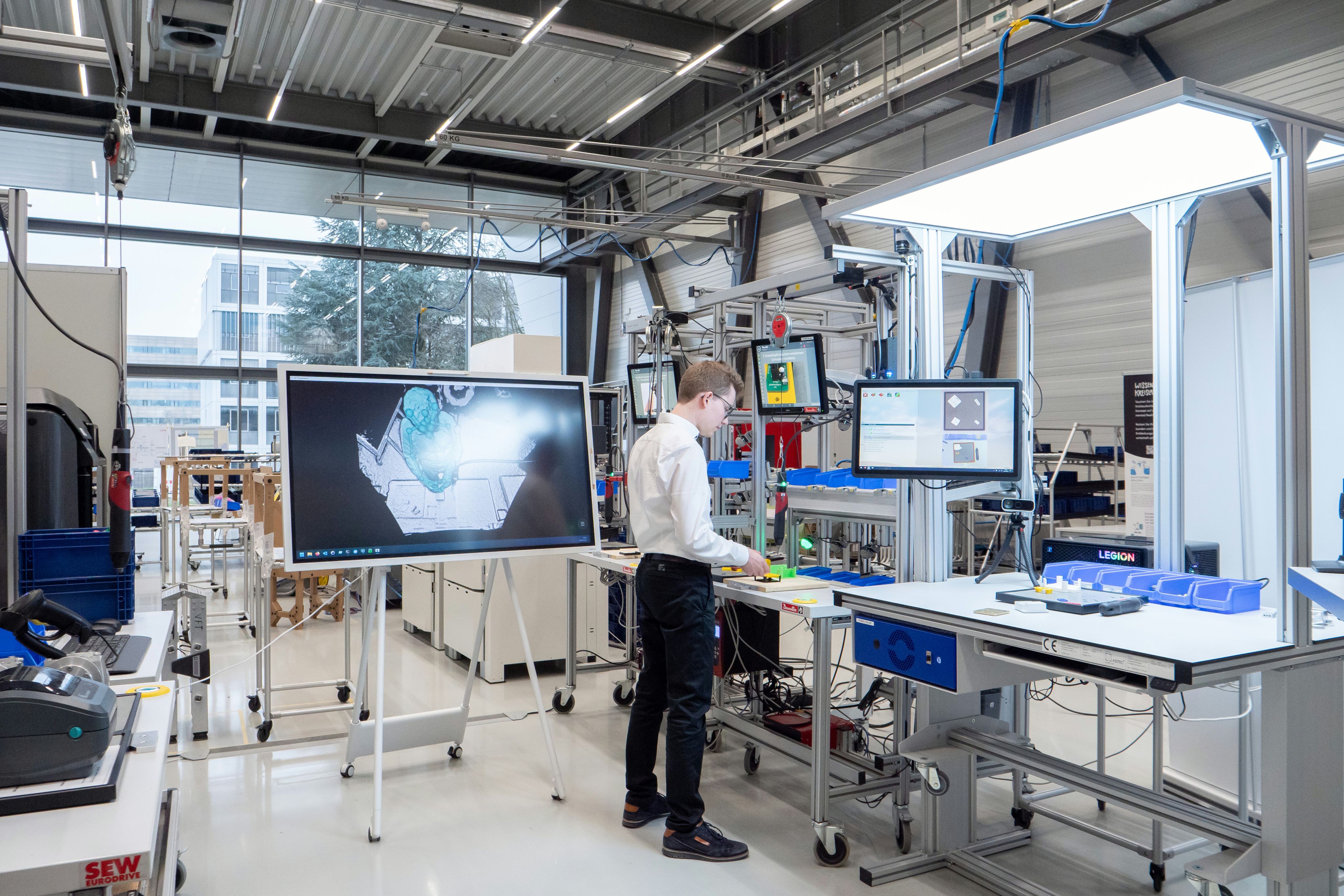
FlowFactory, an innovative research and learning factory, combines research, teaching, industrial transfer, continuing education and practical demonstrations under one roof. It supports companies in making their production and order processing more flexible and time-efficient.
The Institute for Production Management, Technology and Machine Tools (PTW) in the Department of Mechanical Engineering is responsible for managing this special environment of buildings, machines and process chains.
The use of artificial intelligence optimises material flows in the FlowFactory and prevents bottlenecks and downtime in production. The aim of the learning factory is to increase the competitiveness of manufacturing companies and, at the same time, to operate more sustainably through digital and automated cutting-edge technology.
machBAR@PTW at the FlowFactory

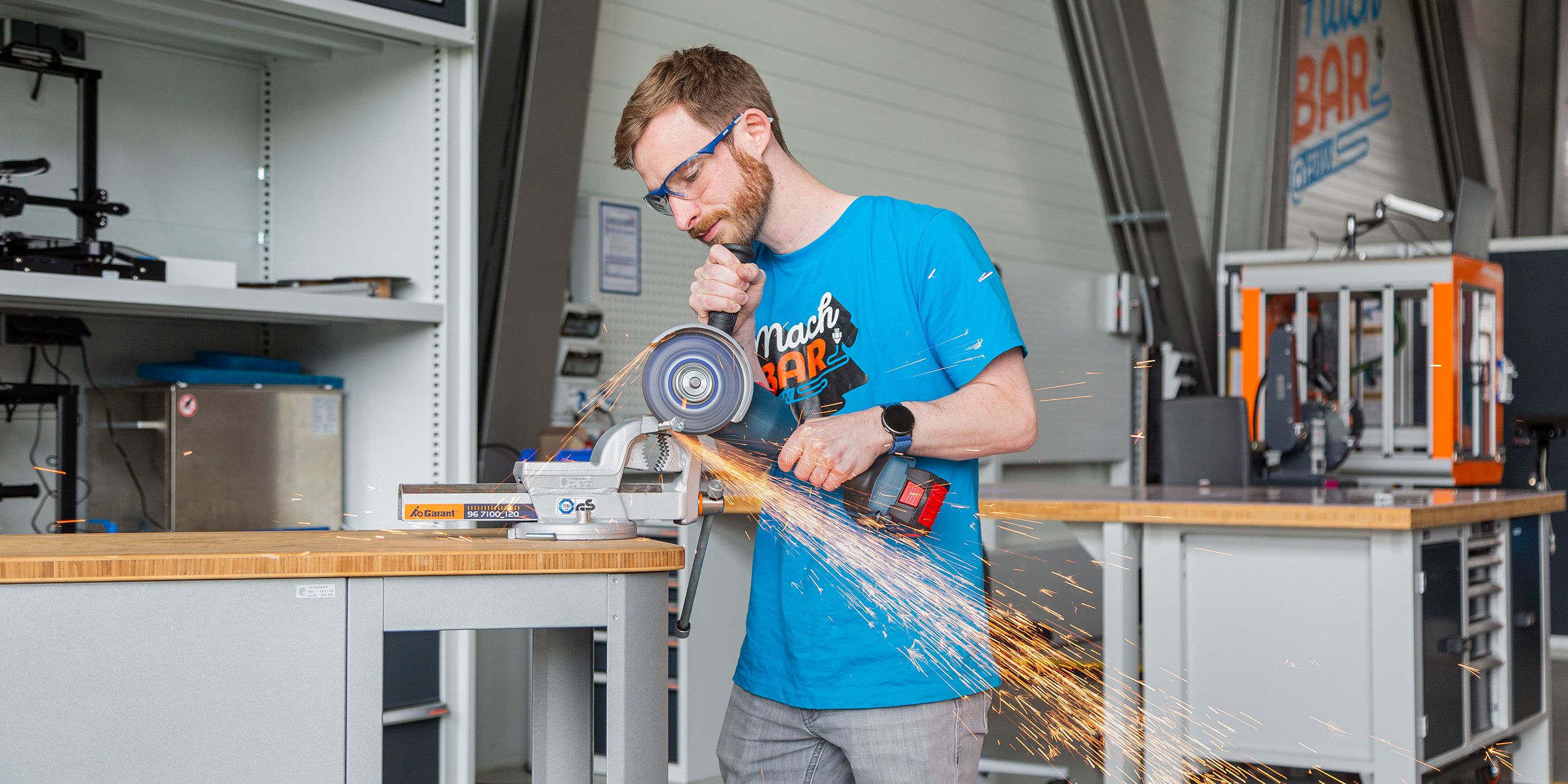
Image: PTW
Image: PTW
Studying means building knowledge, understanding theories and developing concepts. But it is just as important to try out this knowledge in practice and bring your own ideas to life. With machBAR@PTW, PTW has created a place where exactly this is possible.
Here, students can implement their own ideas in an open workshop, try out new things and further develop their practical skills.
Covering an area of around 150 square metres, machBAR@PTW offers high-quality, modern machines and tools for wood, metal and plastic processing as well as for electronics work. From the first prototype to the finished model – anything is possible.
EnEff:Stadt Campus Lichtwiese
Pure sustainability

This course set for the entire infrastructure of the Lichtwiese campus is currently making an impression nationwide: it involves nothing less than the exemplary and model conversion of an entire neighbourhood to a highly efficient energy supply that sets climate change standards for the next decade. Scientists from the fields of electrical engineering, mechanical engineering, architecture and energy information systems are conducting joint research on this project. The overarching goal is to reduce greenhouse gas emissions quickly and significantly.
The EnEff:Stadt Campus Lichtwiese project examines both the university's electrical energy supply and its heating and cooling requirements. Comprehensive monitoring of energy flows on campus forms the strategic basis for its future-oriented development.
Specific examples: How can waste heat and solar thermal energy be integrated into a low-temperature heating network? Low-investment construction measures and storage options are being investigated to make existing buildings compatible for the use of low-temperature heat. Simulations will also be used to investigate the extent to which buildings can be technically adapted for renewable energy sources when they undergo comprehensive renovation.
Incidentally, the Lichtwiese campus also has a ‘real-world laboratory for the urban energy transition’. The overarching DELTA (Darmstadt Energy Laboratory for Applied Technologies) research project is a kind of showcase. The aim here is to demonstrate that the technical potential for increasing energy efficiency and flexibility of urban neighbourhoods can be exploited economically. To this end, many institutions at TU Darmstadt are cooperating with industry and business as well as partners from city politics and administration.

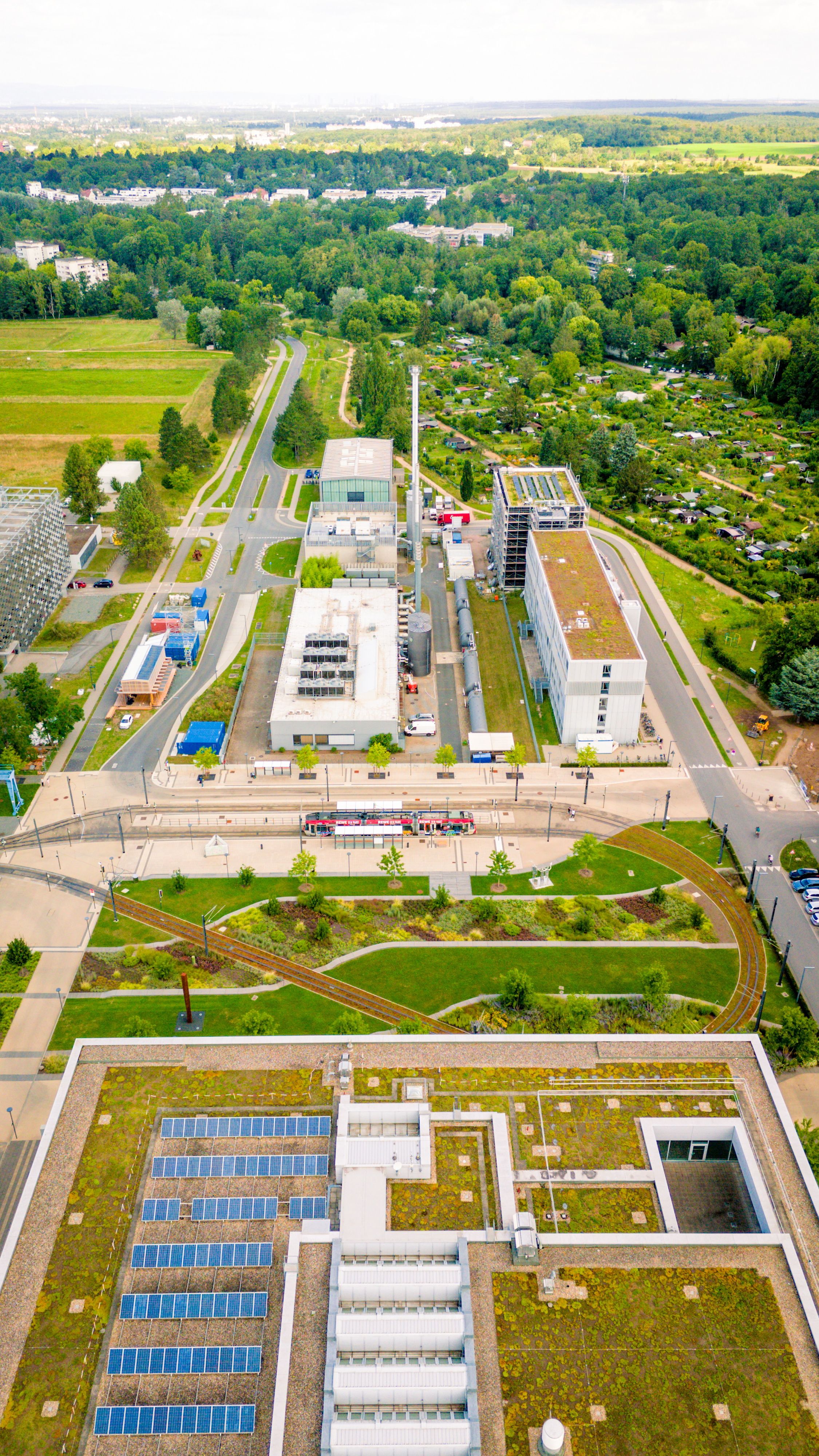
View of the campus energy centre. Image: Jannik Hoffmann
View of the campus energy centre. Image: Jannik Hoffmann

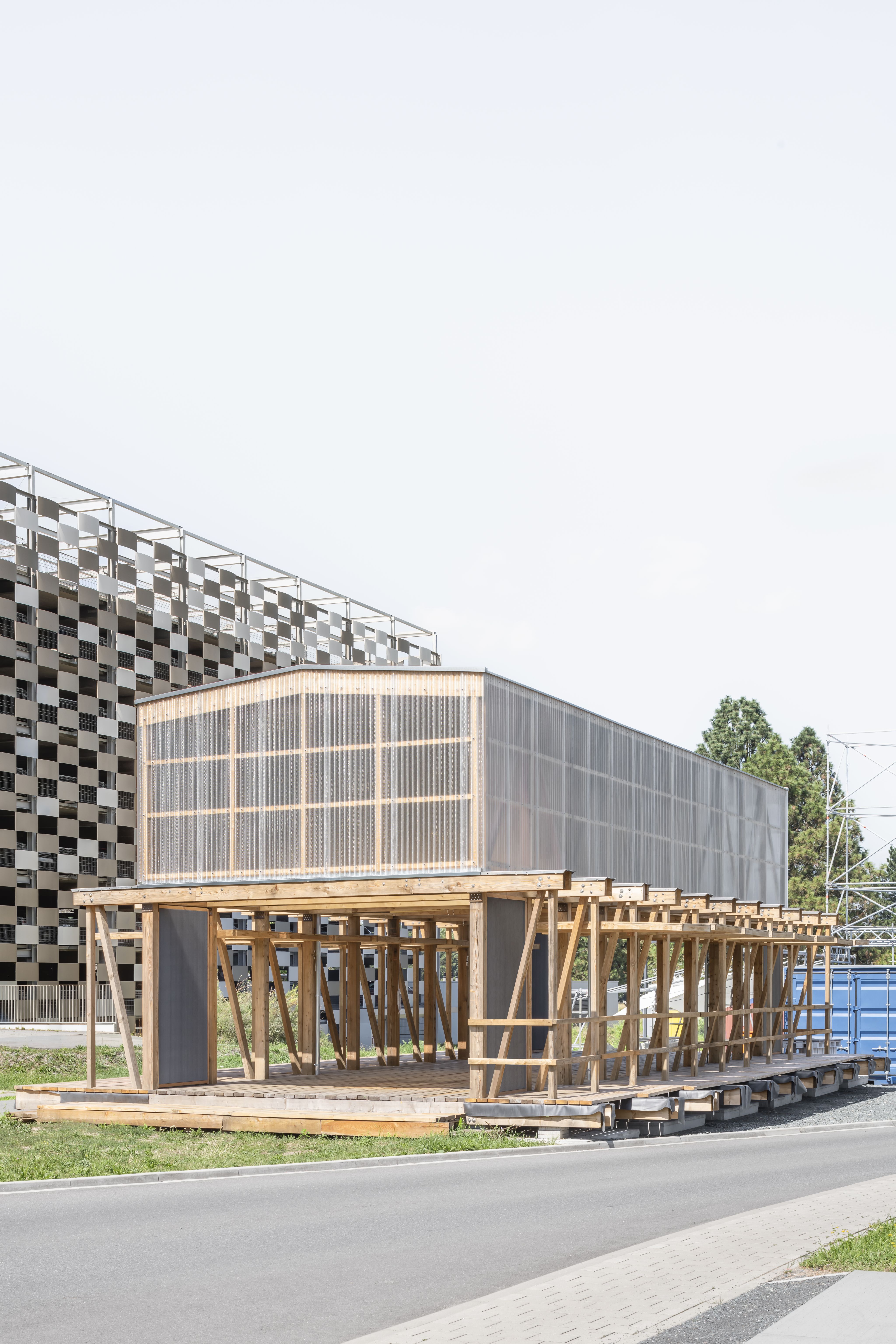
DELTA Forum on the Lichtwiese campus. Image: Hannes Heitmüller
DELTA Forum on the Lichtwiese campus. Image: Hannes Heitmüller
Campus Lichtwiese
How it all began...

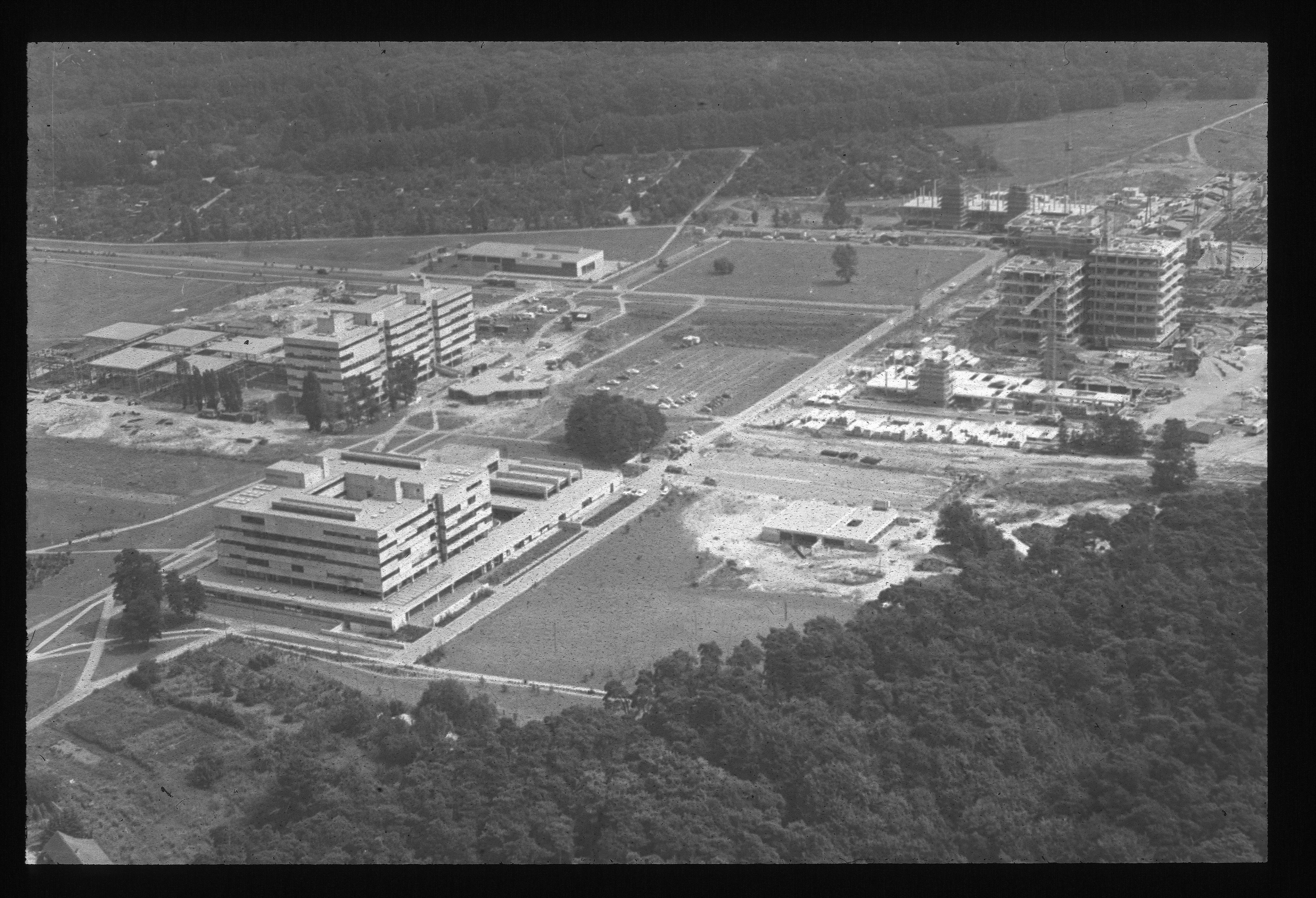
Today's TU campus ‘Lichtwiese’ as a place for university teaching and learning refers to a phenomenon of the 20th century – the university as an educational institution for the general population.
In the 1950s, the number of students at the Technische Hochschule (TH) Darmstadt rose sharply. Space became tight. More than 60 years ago, on 28 October 1963, the city of Darmstadt, the state of Hesse and the TH decided to develop a new area for the university on the Lichtwiese.
This use marked the beginning of a new chapter in the eventful history of the area. In the early modern period, the medieval forest area on the Bessungen district had been cleared to create a large meadow area. In the northern area, known as the ‘Nachtweide’, farmers used to graze their cattle at night. The name ‘Lichtwiese’ for the southern part is said to derive from the ‘lights’ in the form of candles that were required for the lease rent.
The site has always been used for a variety of purposes: at times, mulberry trees were planted here for silkworm breeding; in 1826, the municipal cemetery was established. At the beginning of the 20th century, sports fields for the university and the sports club SV Darmstadt 98 followed. Between 1924 and 1934, a commercial airport was in operation. During this time, the Lichtwiese was also known as the Flugwiese – and between 1950 and 1962, model aircraft competitions were held here. After the Second World War, a student village was built on Lichtwiesenweg.
From July 1967 onwards, the new university buildings were constructed using the Darmstadt building system, a modular prefabricated component system developed by “Staatliches Hochschulbauamt Darmstadt”. The architecture building was the first to be completed in 1969. This was followed by the civil engineering building (1970) and the chemistry quarter for physical and organic chemistry (1973) with its own lecture hall building (1976). In addition, new buildings were constructed for mechanical engineering (1974) with associated test halls (1976). As early as 1971, Lichtwiese became a second location of the University and State Library (HLB). The last part of the first construction phase was completed in 1978 with the completion of the cafeteria.
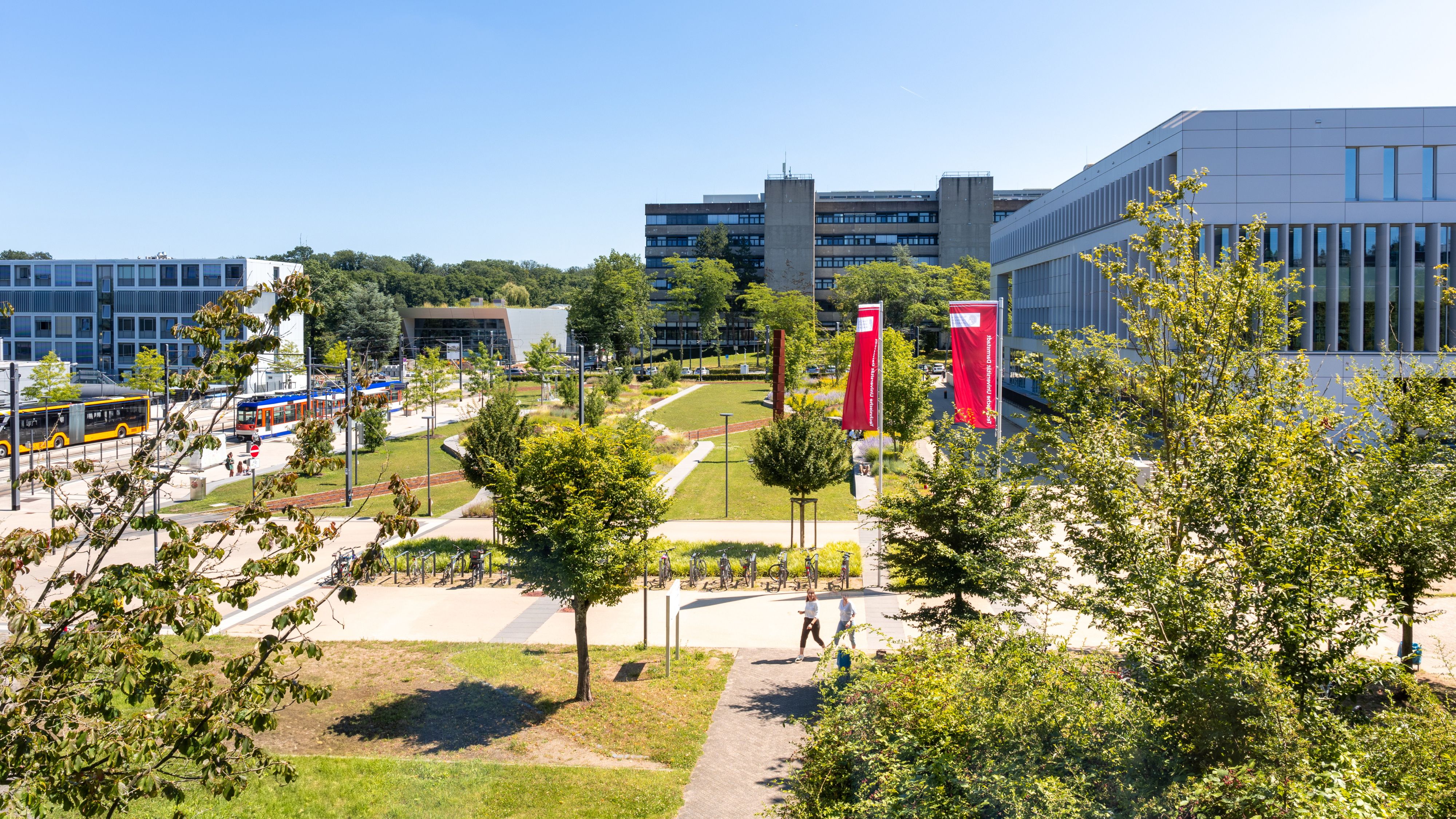
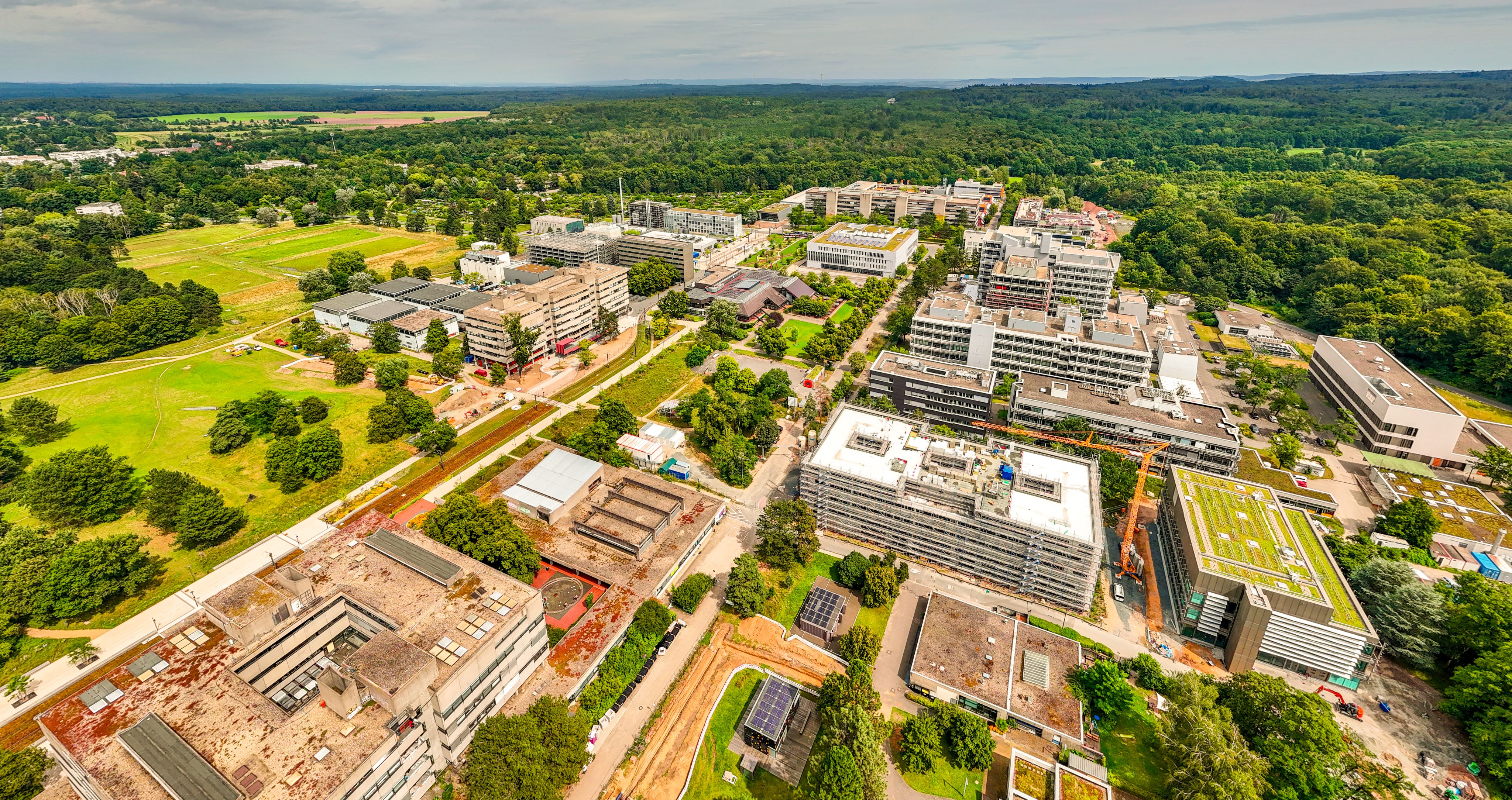
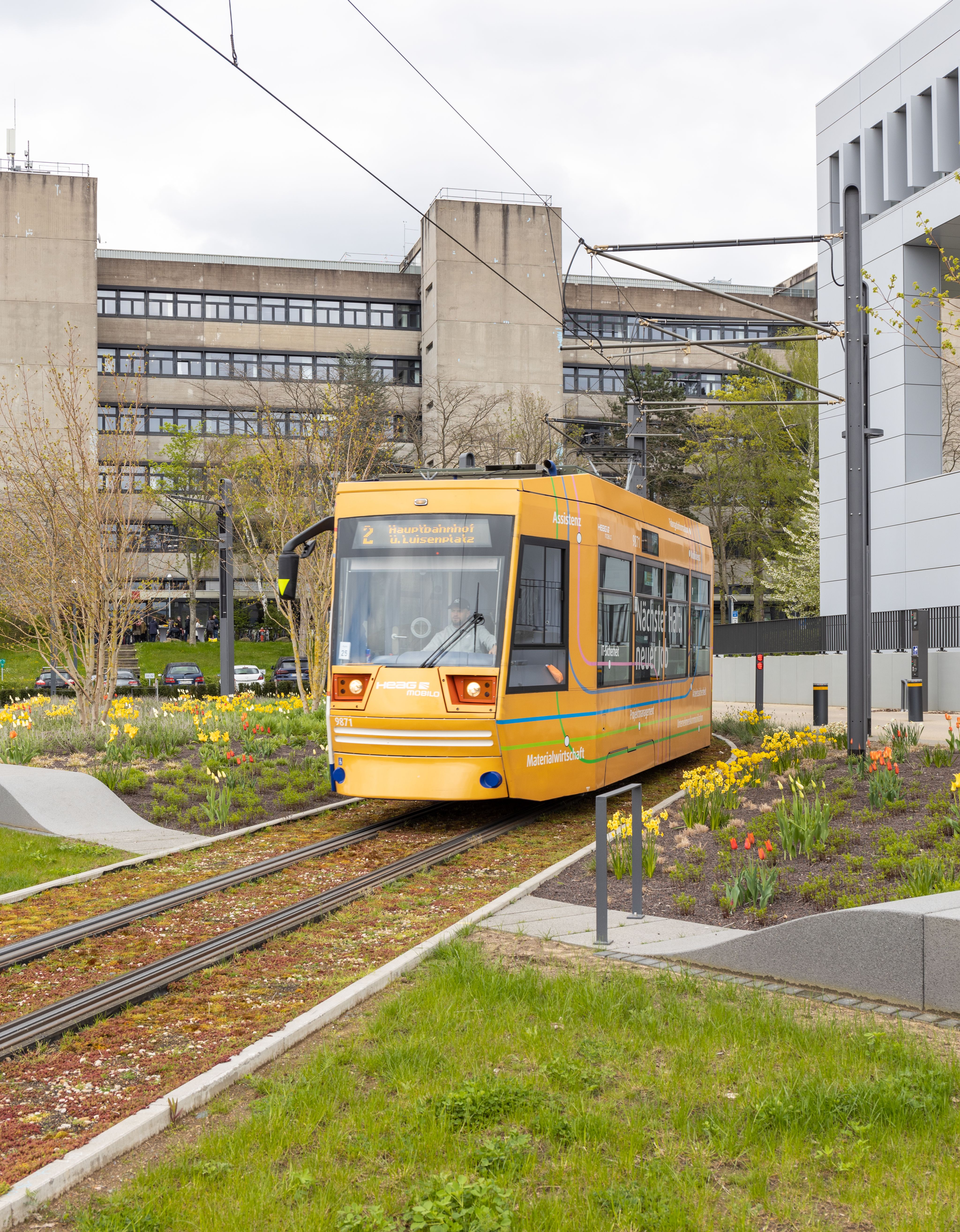
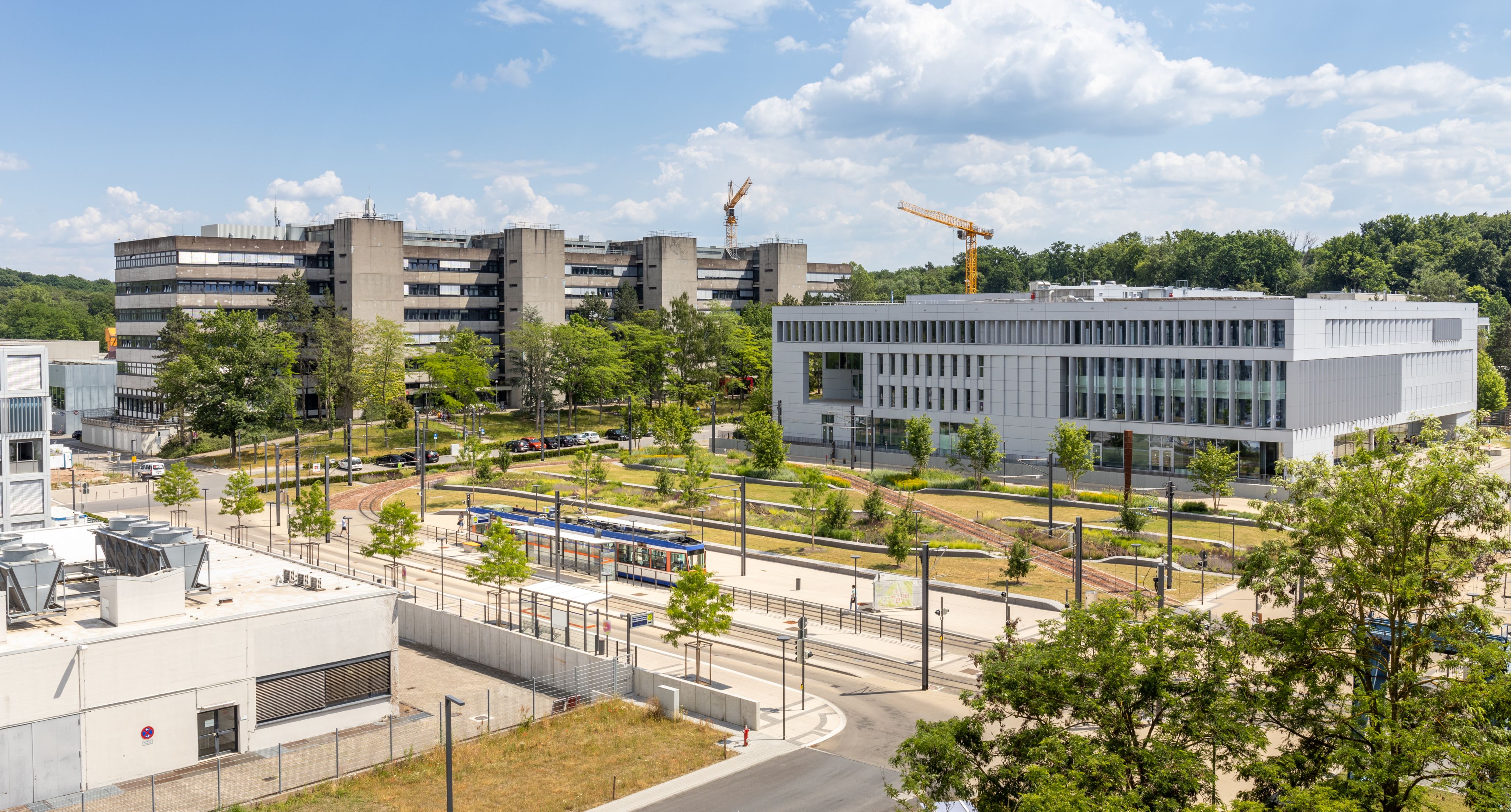
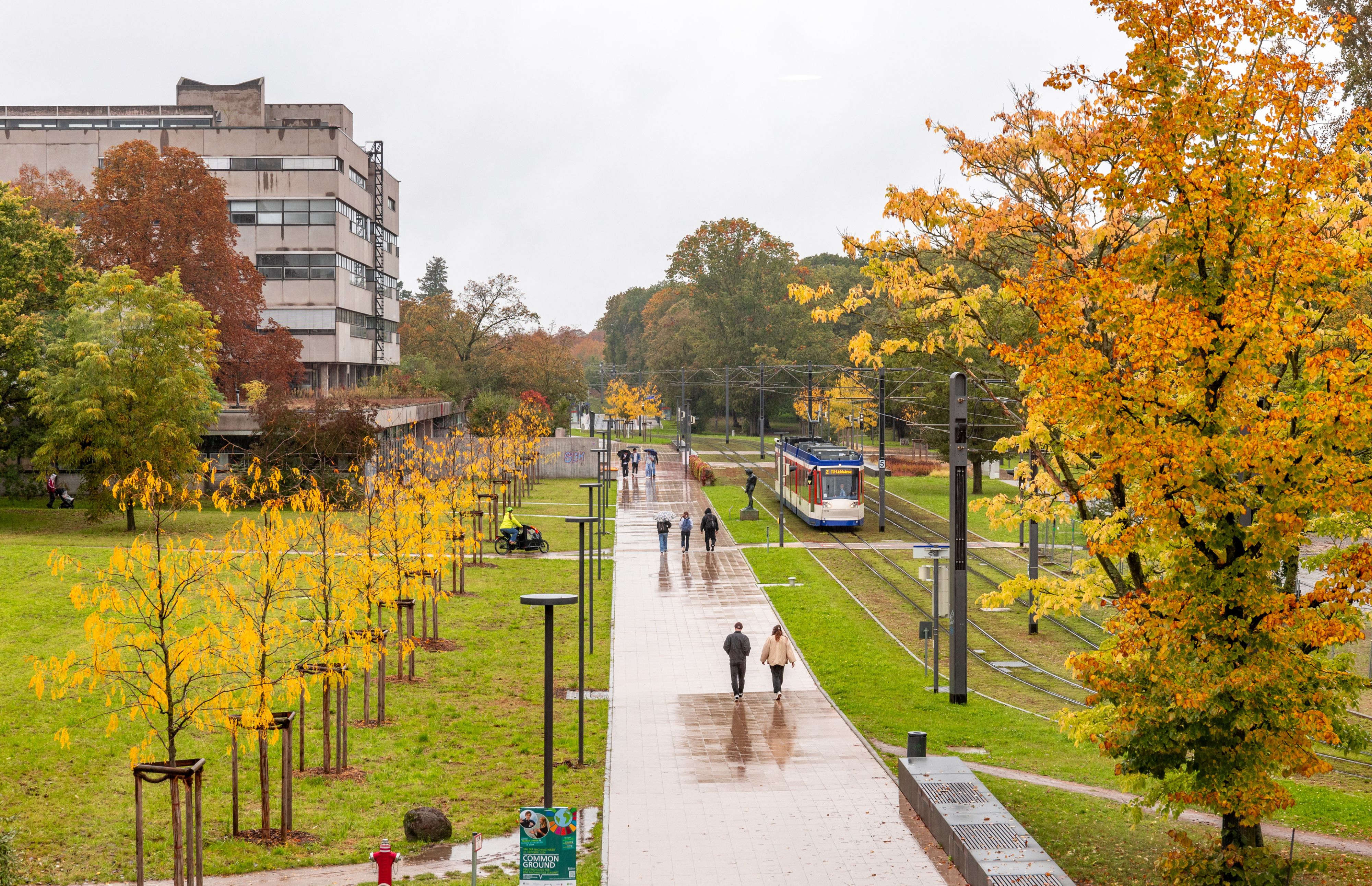
Construction has continued on the 113-hectare site over the past few decades. The lecture hall has been built next to the canteen in 2013. A new department building for mathematics is currently under construction. Since 2022, the Lichtwiesenbahn tram line connects Darmstadt Central Station and the city centre with the Lichtwiese campus. In May 2023, the ‘Radschlag’ bicycle repair shop was opened.
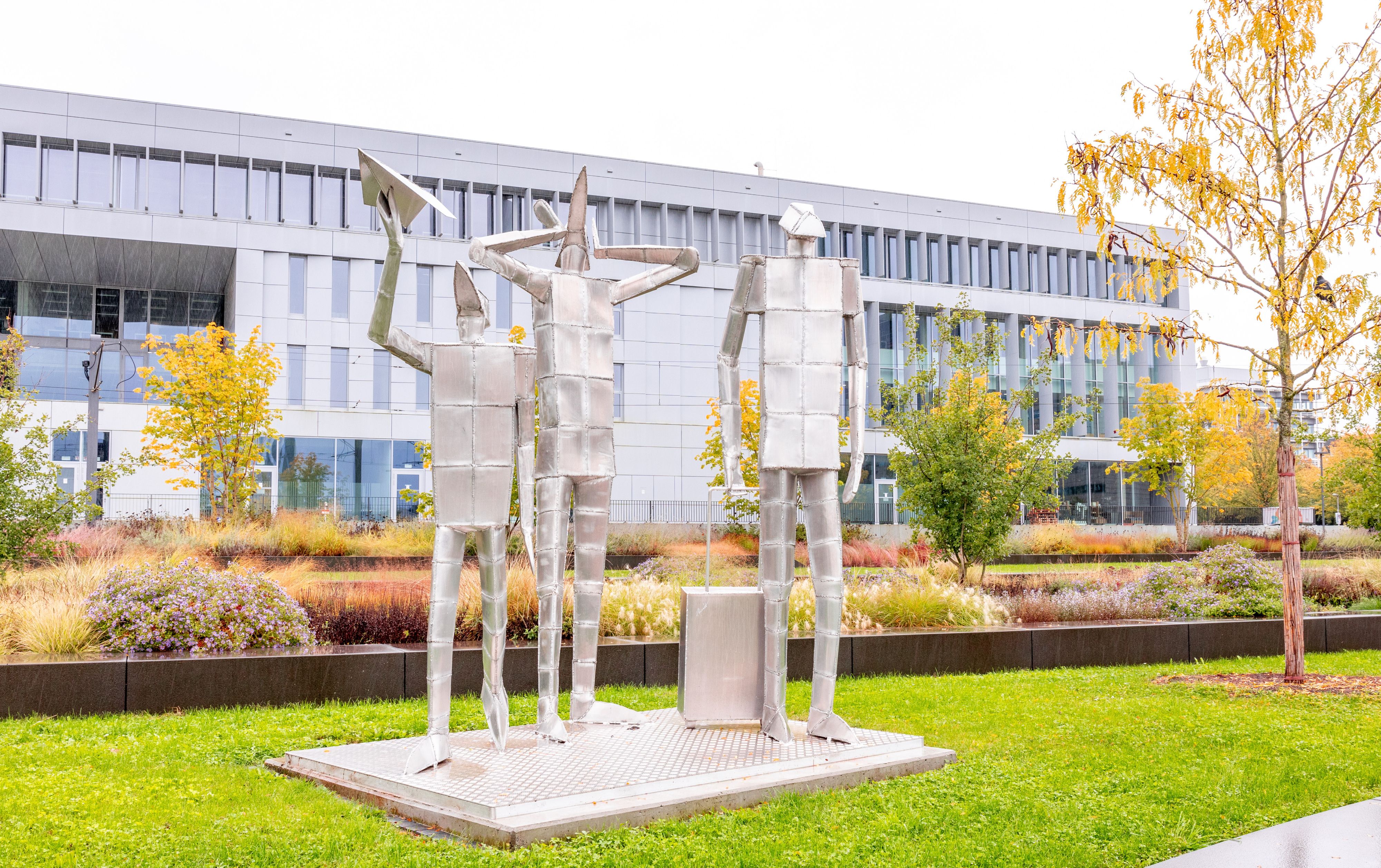
The Lichtwiese is a TU location that has become an integral part of Darmstadt's cityscape. Not only are the departments of architecture, civil and environmental engineering, chemistry, mechanical engineering, materials and earth sciences and the lecture hall are located on the campus, but also a student residence and the university stadium, among other things, in the immediate vicinity. The Lichtwiese is aesthetically complemented by a sculpture garden. To this day, the Lichtwiese also serves as a local recreation area for the people of Darmstadt.
Abbreviated article by Markus-Tobias Lerch







 Built with Shorthand